简体中文
简体中文 Shqip
Shqip لالعربية
 Polski
 رسی
رسی Deutsch
 Русский
 Français
 한국어
한국어 Nederlands
 Čeština
 Bahasa Melayu
 Português
 日本語
日本語 Svenska
 Kiswahili
 ไทย
ไทย Türkçe
 繁体中文
繁体中文 Українська
 Español
 Italiano
 हिन्दी
 Bahasa Indonesia
 Tiếng Việt
 Filipino
As a highly efficient organophosphorus insecticide, triazophos is widely used in pest control of cotton, rice and other crops. Because it may remain in agricultural products and affect food safety, it is crucial to establish a scientific testing standard system. This paper will summarize and analyze the differences between the national standard GB standard, the American standard and the detection limit for triazophos testing, and provide reference for related testing work.
our country has formulated and improved a number of national standards for the detection of triazophos residues in agricultural products and foods, among which the GB 23200 series standard is the core basis. The standard system covers advanced detection technologies such as gas chromatography-mass spectrometry (GC-MS/MS) and liquid chromatography-tandem mass spectrometry (LC-MS/MS), which are suitable for vegetables, fruits, grains and other substrates. The specific detection limit varies according to the type of substrate. For example, in vegetables, the GB standard requires that the detection limit of triazophos residues is usually 0.01mg/kg; in cereal samples, the detection limit can be set to 0.05mg/kg to ensure that the detection results meet the threat and risk assessment and regulatory requirements.
The detection standards for triazophos residues in the United States mainly follow the relevant specifications of AOAC (American Association of Analytical Chemists) and FDA (US Food and Drug Administration). The detection method pays more attention to high sensitivity and international mutual recognition, and gas chromatography-electron capture detector (GC-CRP) and gas chromatography-mass spectrometry (GC-MS) technologies are commonly used. In terms of detection limits, US standards are usually more stringent. For example, the detection limit of triazophos in food raw materials can be as low as 0.005mg/kg, and some special detection requirements for export agricultural products even reach 0.001mg/kg to meet the high standards of food safety control in international trade.
combines the detection limit requirements of the national standard GB and the US standard, and it can be found that there are differences between the two in different application scenarios. For agricultural products circulating in the domestic market, the detection limit of the national standard GB is more in line with the actual production of local products. For example, the detection limit of triazophos residues for common vegetables (such as cucumbers and tomatoes) is 0.01mg/kg, which can effectively cover the main residue risks in domestic production. However, the US standard is based on stricter entry requirements for imported agricultural products, and the detection limit is lower. For example, the detection limit requirements for grain products are mostly below 0.005mg/kg to ensure that imported food meets the domestic food safety benchmarks in the United States. This difference reflects the difference in prevention and control strategies and market demand for pesticide residue risks in different regions.
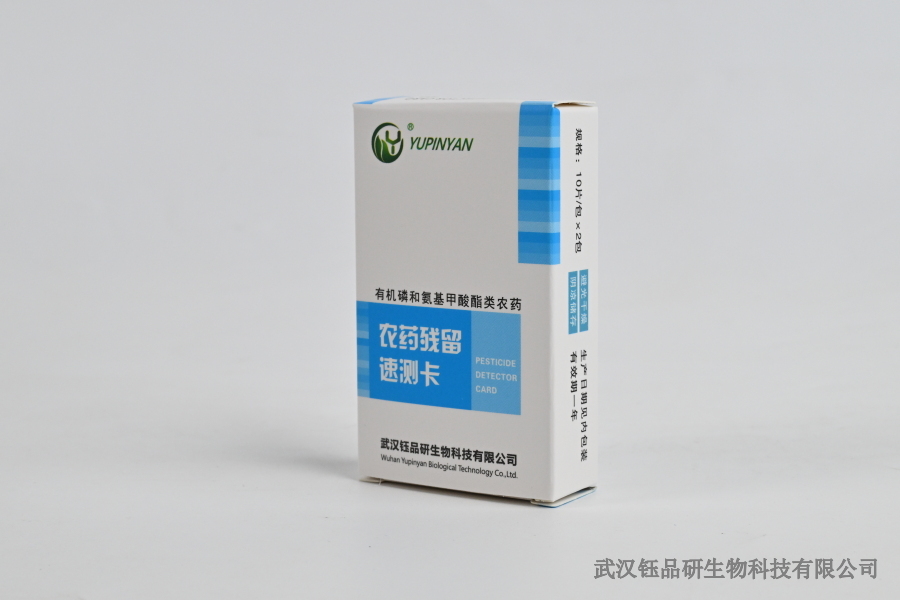
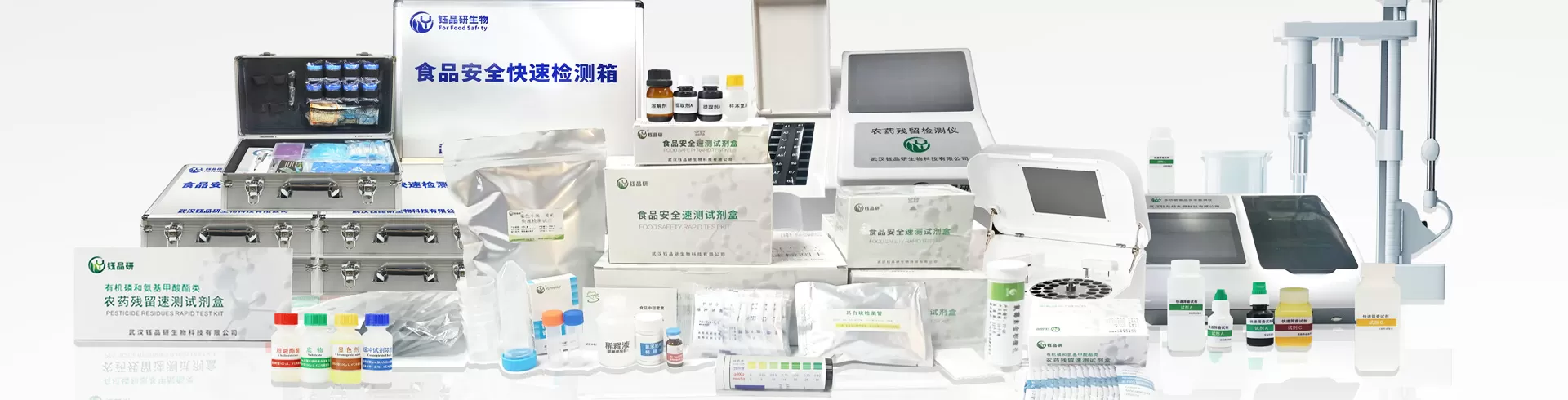
Wuhan Yupinyan Bio focuses on the research and development and production of food safety rapid detection reagents. For the detection of pesticide residues such as triazophos, we have developed a variety of rapid detection solutions. The reagent adopts mature technologies such as immunochromatography and ELISA, which can quickly complete the detection on site or in the laboratory. The detection limit matches the mainstream standard methods, the operation process is simple, and qualitative or semi-quantitative results can be achieved without complex instruments. We are committed to helping food manufacturers, regulatory authorities and third-party testing agencies accurately control the risk of pesticide residues and escort food safety through efficient and reliable testing products.