简体中文
简体中文 Shqip
Shqip لالعربية
 Polski
 رسی
رسی Deutsch
 Русский
 Français
 한국어
한국어 Nederlands
 Čeština
 Bahasa Melayu
 Português
 日本語
日本語 Svenska
 Kiswahili
 ไทย
ไทย Türkçe
 繁体中文
繁体中文 Українська
 Español
 Italiano
 हिन्दी
 Bahasa Indonesia
 Tiếng Việt
 Filipino
Triazophos is a commonly used organophosphorus insecticide, which is widely used in the pest control of cotton, rice, vegetables and other crops. Reasonable use in agricultural production can effectively ensure crop yield, but with the popularization of pesticide use, its residue problem has gradually attracted attention, especially before agricultural products enter the market, whether the residue meets safety standards is directly related to consumer dietary safety.
So, how much triazophos pesticide residue is normal? Generally speaking, the "normal" here needs to be judged in combination with specific national food safety standards. Our country's "National Food Safety Standard, Maximum Residue Limits of Pesticides in Food" (GB 2763) clearly stipulates the maximum residue limits (MRLs) of different pesticides in various foods. This standard is the core basis for judging whether pesticide residues are in compliance.
Different food categories also have different residue limits for triazophos due to different planting methods, edible parts and risk levels. For example, for common food crops (such as wheat, corn), the maximum residue limit for triazophos is generally 0.05mg/kg; leafy vegetables (such as spinach, lettuce) have relatively high residue limits, usually 0.1mg/kg; while tea and other crops that need strict control of pesticide residues may have stricter residue limits. The specific values need to refer to the corresponding national standard regulations of the crop. It is worth noting that these values are only the "maximum allowable residue", that is, when the residue in the food is lower than or equal to this value, it can be considered within the compliance range and will not pose a significant risk to human health.
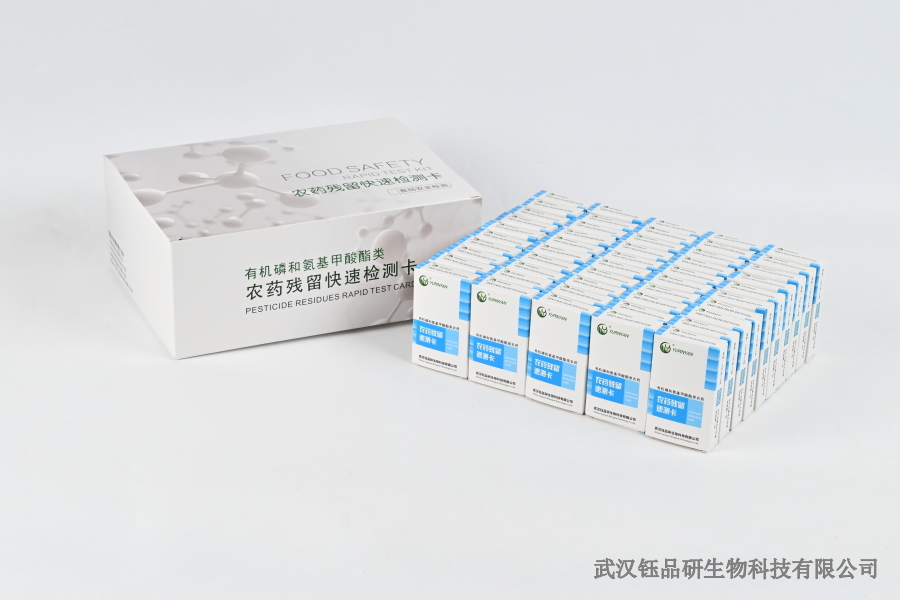
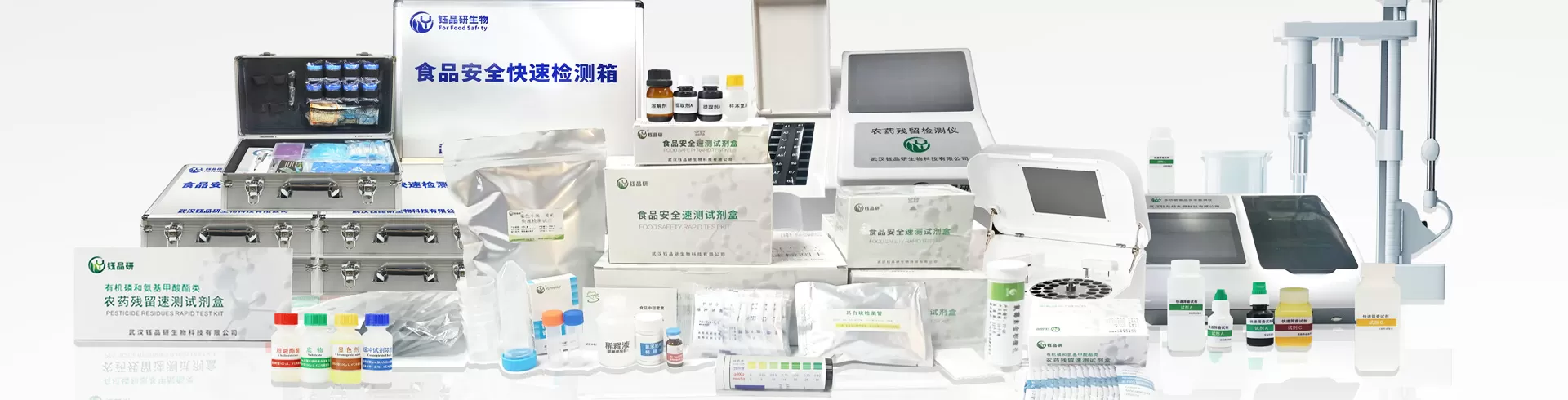
However, to judge whether the triazophos residue is in compliance, it cannot be judged by experience or vision alone, and must pass professional testing methods. Wuhan Yupinyan Bio focuses on the research and development and production of food safety rapid detection reagents. The relevant detection reagents developed by it can quickly and accurately screen the triazophos residue in agricultural products, help enterprises, testing institutions and other rapid grasp of product safety status, ensure that products meet market access standards, and ensure food safety from the source.
Finally, when consumers choose agricultural products, they can also pay attention to the test reports of regular channels to understand the pesticide residues of the products. Through the rational use of pesticides and professional testing methods, the residue problem of triazophos will be effectively controlled, so that food safety is more secure.