
 简体中文
简体中文 Shqip
Shqip لالعربية
 Polski
 رسی
رسی Deutsch
 Русский
 Français
 한국어
한국어 Nederlands
 Čeština
 Bahasa Melayu
 Português
 日本語
日本語 Svenska
 Kiswahili
 ไทย
ไทย Türkçe
 繁体中文
繁体中文 Українська
 Español
 Italiano
 हिन्दी
 Bahasa Indonesia
 Tiếng Việt
 Filipino
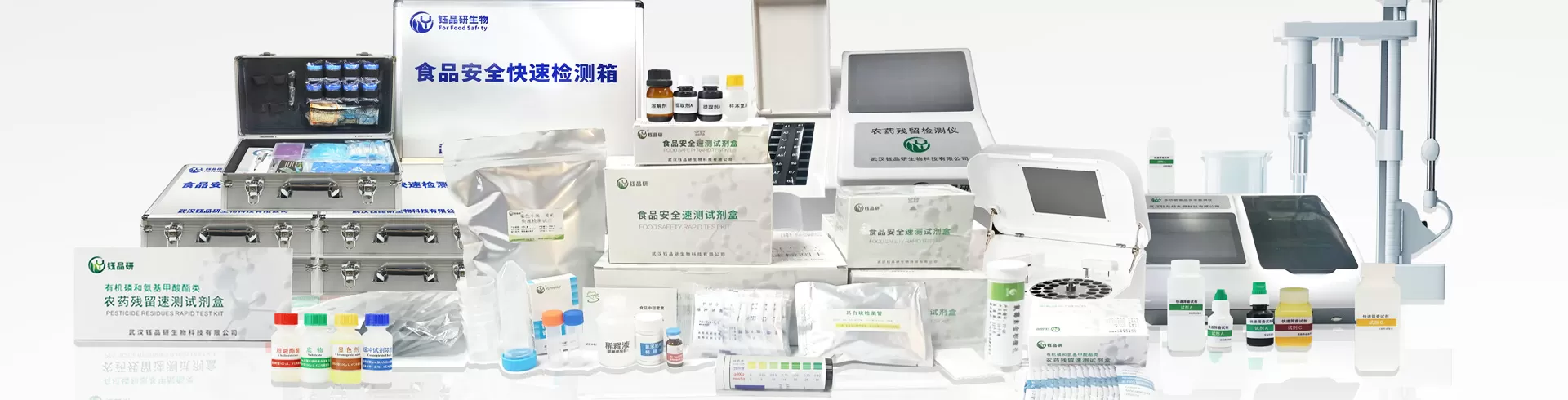
Triazophos, as a broad-spectrum organophosphorus insecticide, is widely used in pest control of rice, fruit trees, vegetables and other crops. During the planting process of agricultural products, if the dose is not used properly or the safety interval is not followed, triazophos residues may be generated in food. For consumers and regulatory authorities, it is a key link to ensure food safety to clarify "how much residue is high" and the risk level of exceeding the limit standard.
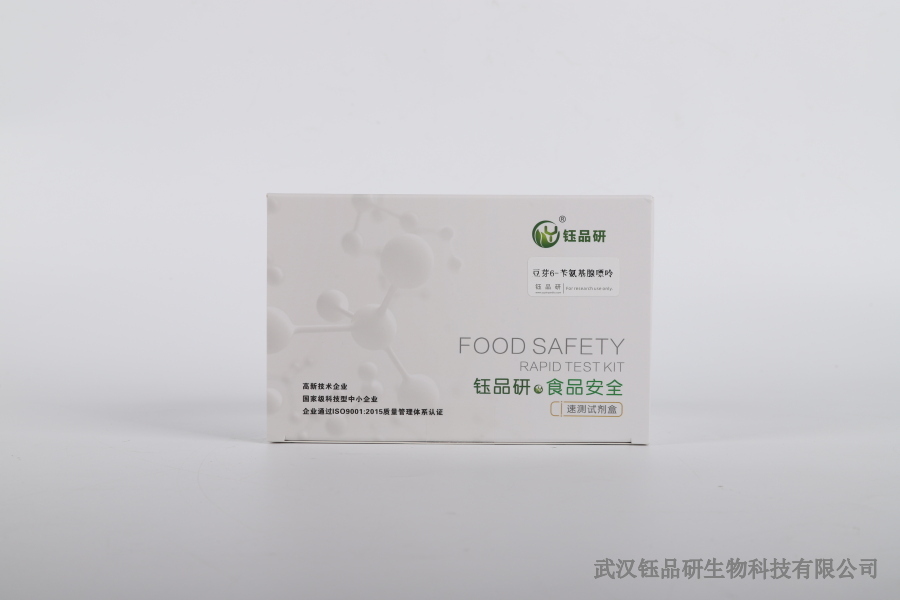
As Wuhan Yupinyan Bio focusing on the field of rapid food safety detection, we are well aware of the importance of accurate detection of pesticide residues to ensure food safety. In actual testing, to determine whether triazophos pesticide residues are "high", it is necessary to use relevant national standards as the basis. According to the "National Food Safety Standard, Maximum Residue Limits of Pesticides in Food" (GB 2763), different food categories (such as grains, vegetables, fruits, etc.) have clear maximum residue limits (MRLs) for triazophos. When the residue of triazophos in food exceeds this standard, it is judged as "exceeding the limit", while "high residue" usually refers to the situation close to or exceeding this limit, which needs to be combined with the test results and the corresponding food category standards.
The risk classification of exceeding the limit standard is usually based on the proportional relationship between the residue and the standard limit, as well as the potential harm of short-term or long-term intake. Generally speaking, it can be divided into three risk levels: one is "slightly excessive", which means that the residue is close to the standard limit, and short-term intake usually does not cause acute poisoning, but long-term accumulation may pose potential health risks; the other is "moderate excessive", the residue exceeds the standard limit but does not reach the range of serious excess, long-term consumption may cause gastrointestinal discomfort, abnormal nervous system function and other symptoms; the third is "severe excess", the residue is significantly higher than the standard limit, which can cause nausea, vomiting, dizziness and other acute poisoning reactions in the short term, and long-term exposure may also increase the risk of organ damage.
food safety rapid detection reagent developed by Wuhan Yupinyan Bio, with its high sensitivity and rapid detection characteristics, it can help enterprises, regulatory authorities and consumers to quickly screen whether pesticide residues such as triazophos in food exceed the standard, and provide a scientific basis for risk level assessment, so as to take timely measures to ensure food safety. In practical applications, the popularization and accuracy of rapid detection technology is of great significance to reduce the risk of pesticide residues and maintain public health.


