
 简体中文
简体中文 Shqip
Shqip لالعربية
 Polski
 رسی
رسی Deutsch
 Русский
 Français
 한국어
한국어 Nederlands
 Čeština
 Bahasa Melayu
 Português
 日本語
日本語 Svenska
 Kiswahili
 ไทย
ไทย Türkçe
 繁体中文
繁体中文 Українська
 Español
 Italiano
 हिन्दी
 Bahasa Indonesia
 Tiếng Việt
 Filipino
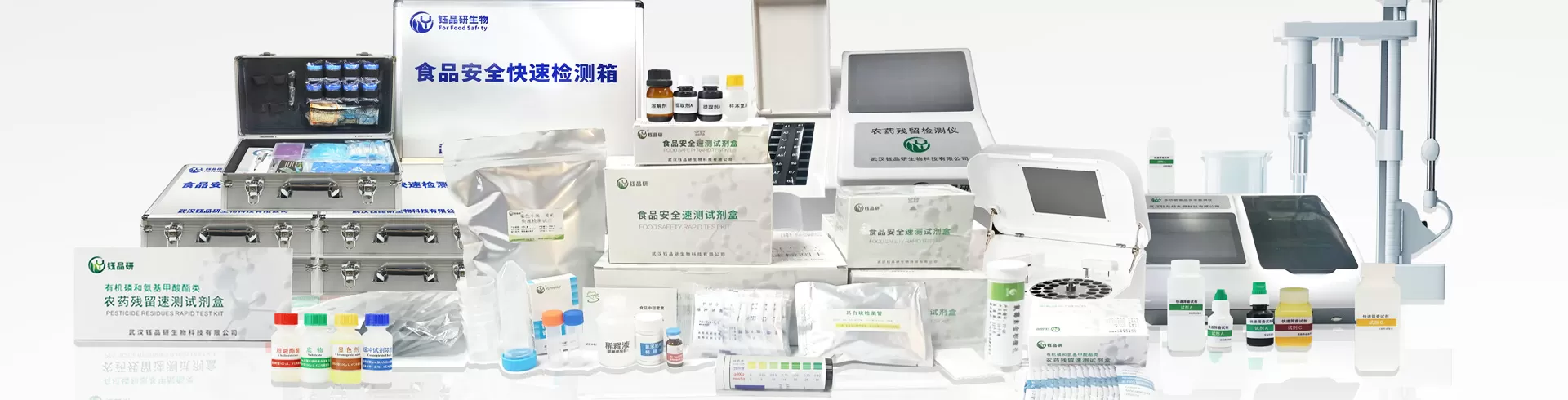
Triazophos is a commonly used organophosphorus insecticide in agricultural production, which is mainly used to control pests on crops such as vegetables and fruit trees. With the increasing attention to the safety of agricultural products, farmers and consumers are often concerned about its residue in crops, especially the difference in residue duration under different use methods. Wuhan Yupinyan Bio, as an enterprise focusing on the research and development of food safety rapid detection reagents, is here to analyze the residue period of triazophos and related differences.
The residue duration of triazophos is affected by many factors, including the application dose, crop type, environmental climate (such as temperature, humidity, light) and application method. Generally speaking, under conventional application conditions, the residue of triazophos on the surface of crops or in plants will gradually degrade over time, but the specific duration varies depending on the use method. Residue time of triazophos under
spraying method
Spraying is to spray the agent directly on the surface of the crop (leaves, fruits, etc.). At this time, the agent is mainly attached to the epidermis or shallow tissues of the plant. Due to the exposure of the epidermis to the environment, it is easily affected by factors such as rain initialize and light decomposition, and the residual period is usually relatively short. Under open-air planting conditions, if there is no heavy rainfall or extreme high temperature, the residue of triazophos on the surface of leafy vegetables, fruits and vegetables may gradually decrease within 3-7 days after spraying, while the residue in the internal tissue of the crop may be slightly longer, but the overall surface residue is still the main one. If there is frequent rainfall after application, the agent may be initialized and lost, and the residual period will be further shortened. Residual time of triazophos under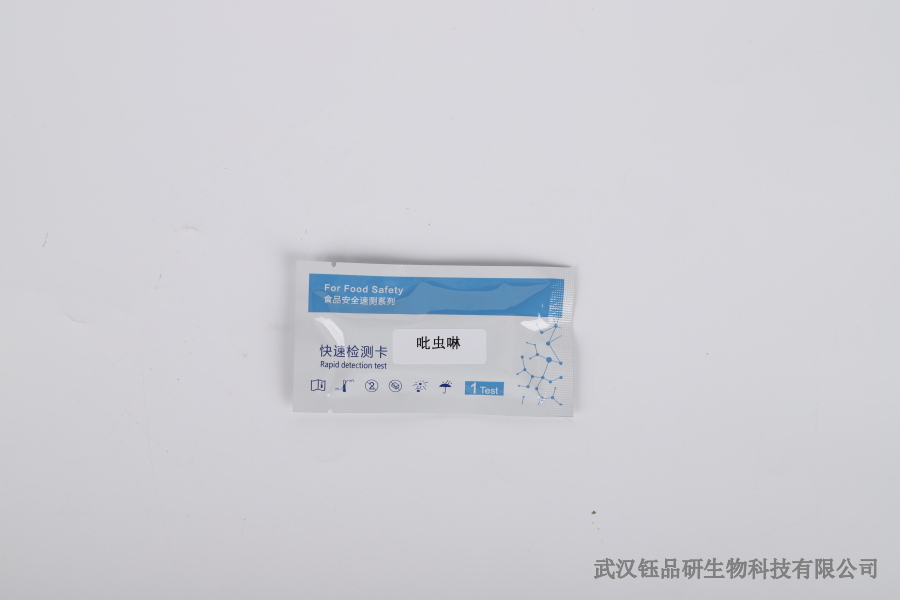
irrigation method
Root irrigation is to apply the agent directly to the root system of crops, and the agent is transmitted to various parts of the plant (stems, leaves, fruits, etc.) after being absorbed by the root system. In this way, the agent enters the plant, and the residual path shifts from the surface to internal metabolism, which is less affected by the direct initialization of the environment. Therefore, the residual time of triazophos in the plant may be longer than that of the spraying method. Usually, under conventional doses, the residue of triazophos in the soil after root irrigation may last for several weeks, while the residue in the roots, stems and fruits of crops may last for about 7-15 days. The specific duration is related to factors such as crop variety (such as deep root crops may remain slightly longer), environmental temperature (high temperature accelerates metabolism, residue shortening), etc.Overall, the residual duration of triazophos varies depending on the mode of use: spraying vegetables is mainly based on surface residue, which is greatly affected by environmental factors, and the residual period is relatively short; root irrigation is more stable and may last longer due to the absorption and conduction of the agent by plants. The food safety rapid detection reagent developed by Wuhan Yupinyan Bio can help users quickly detect triazophos residues in agricultural products and provide scientific support for controlling food safety.


