
 简体中文
简体中文 Shqip
Shqip لالعربية
 Polski
 رسی
رسی Deutsch
 Русский
 Français
 한국어
한국어 Nederlands
 Čeština
 Bahasa Melayu
 Português
 日本語
日本語 Svenska
 Kiswahili
 ไทย
ไทย Türkçe
 繁体中文
繁体中文 Українська
 Español
 Italiano
 हिन्दी
 Bahasa Indonesia
 Tiếng Việt
 Filipino
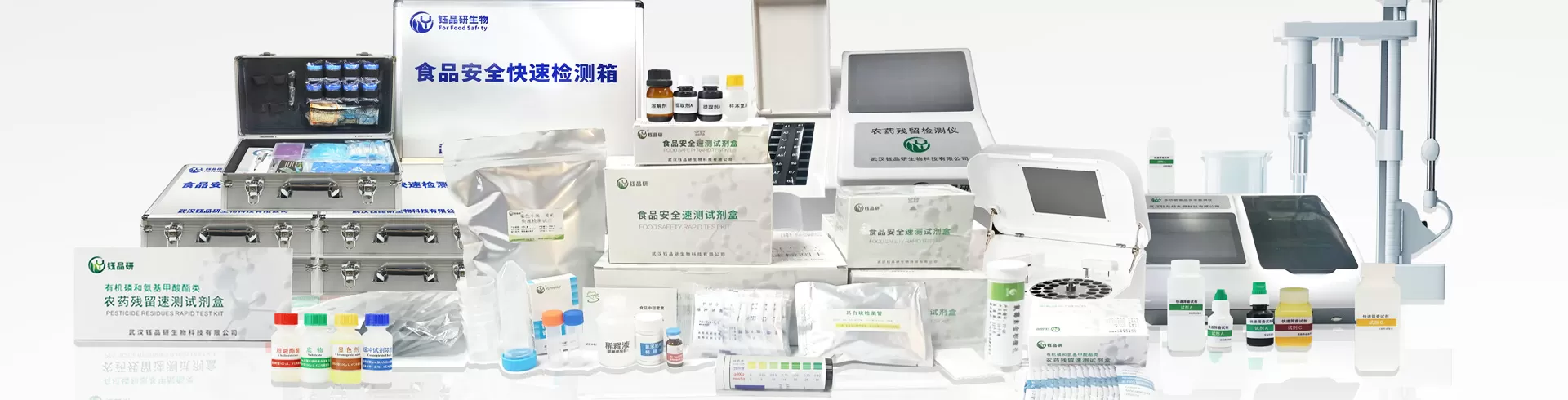
As an organophosphorus insecticide, triazophos is widely used in crop pest control and aquaculture, but its residue after use has always been the focus of attention in the field of food safety. Understanding the toxic residue time of triazophos and the residue difference in different scenarios is of great significance to ensure the safety of agricultural products. Wuhan Yupinyan Bio focuses on the research and development of food safety rapid detection reagents, which can provide scientific and effective detection support for related fields.
The toxic residue time of triazophos in different scenarios
The residual time of triazophos is affected by many factors, including environmental conditions, usage methods, types of crops or cultured objects, etc. In the soil environment, its residue cycle is usually related to soil texture, temperature, humidity, etc. The general half-life is about 1-2 months, and long-term use may lead to accumulated residues; in crops, depending on the type of crop, there are differences in the safety interval. The safety interval of most crops is about 7-15 days, that is, after continuous use, it needs to be harvested at a corresponding time interval to ensure that the residue is lower than the safety standard; in aquaculture, due to the complex water environment, including temperature, pH value, microbial activity and other factors, the degradation rate of triazophos may be faster or slower. The specific residue time needs to be combined with the characteristics of the aquaculture water and the comprehensive judgment of the aquaculture cycle. Generally, under the condition of reasonable use in the aquaculture process, the residue can be controlled within the safe range.
the difference in toxicity residues between aquatic products and crops
From the perspective of use scenarios, triazophos on crops mainly enters the plant body through foliar spraying, soil treatment, etc., and its residues are mostly concentrated on the plant surface and edible parts. The characteristics of low water solubility make its migration in plants relatively limited, and the residual time is relatively stable; in aquaculture, triazophos often acts on cultured objects through direct contact with water bodies and feed addition. The light, temperature and microbial community in the water body may accelerate its degradation, but it may also cause residual fluctuations due to water eutrophication or other contaminants. In addition, the metabolic pathways of aquatic animals are different from those of crops, and some triazophos may accumulate in aquatic animals through bioenrichment. Special attention should be paid to the residue in cultured products. In contrast, crop residues are easier to detect and take control measures through pre-harvest testing, while residues in aquaculture may involve dual risks of water bodies and products, and different objects need to be taken into account when testing.
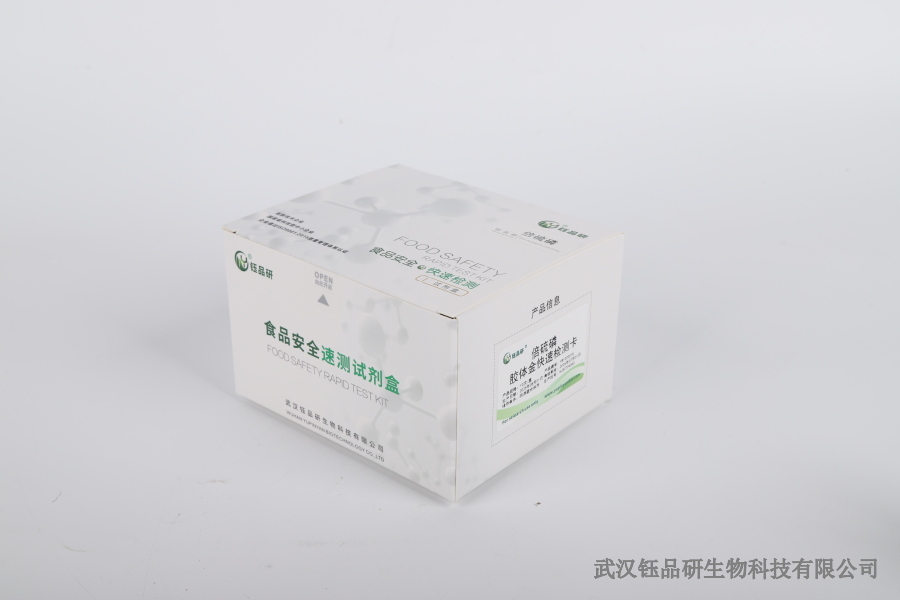
Wuhan Yupinyan Bio relies on its professional technical research and development strength to produce food safety rapid detection reagents that can quickly and accurately detect pesticide residues such as triazophos, providing effective tools for the safety control of aquatic and crop planting and breeding, and helping to protect consumers' dietary safety.


