简体中文
简体中文 Shqip
Shqip لالعربية
 Polski
 رسی
رسی Deutsch
 Русский
 Français
 한국어
한국어 Nederlands
 Čeština
 Bahasa Melayu
 Português
 日本語
日本語 Svenska
 Kiswahili
 ไทย
ไทย Türkçe
 繁体中文
繁体中文 Українська
 Español
 Italiano
 हिन्दी
 Bahasa Indonesia
 Tiếng Việt
 Filipino
The pesticide triazophos, as a broad-spectrum organophosphorus insecticide, is widely used in agricultural production to control a variety of pests and effectively improve crop yield. However, if its residues exceed the standard in agricultural products, it will not only affect the quality of food, but also pose a potential threat to human health. Understanding the hazards of triazophos exceeding the standard, the risk differences between different groups of people and scientific protective measures is an important link to ensure food safety.
The main hazards of triazophos exceeding the standard to the human body
After excessive intake of triazophos, it may cause acute poisoning symptoms in the short term, such as nausea and vomiting, diarrhea, dizziness and headache. In severe cases, convulsions and loss of consciousness may even occur, causing direct damage to the central nervous system. Long-term chronic exposure (such as long-term consumption of low-dose excessive agricultural products) may lead to chronic toxicity accumulation, affect the nervous system, endocrine system, liver, kidney and other organ functions, increase metabolic disorders, decreased immunity and other health risks. In addition, studies have shown that long-term intake of foods containing triazophos residues may have adverse effects on the reproductive system, especially potential teratogenic risks to fetal development.
Risk differences among different populations
Children are in a critical period of growth and development, their organs and nervous systems are not yet mature, and they are more sensitive to organophosphorus pesticides such as triazophos. Low-dose exposure may cause behavioral abnormalities, developmental delays and other problems. Moreover, the detoxification ability is weak, and the recovery after poisoning is relatively difficult. Pregnant women as a special group, hormonal changes in the body and fetal development needs may increase the risk of toxin accumulation. Long-term excessive intake may lead to fetal malformation, premature birth or low birth weight. The elderly metabolic function gradually declines, and their tolerance to toxins decreases. If they eat excessive agricultural products for a long time, they are more likely to experience aggravation of symptoms of chronic diseases or increased risk of complications. People with low immunity (such as patients with chronic diseases and people recovering after surgery) may directly damage the immune system due to toxins, resulting in increased risk of infection or deterioration of existing diseases.
Protection and Countermeasures after Triazophos Excessive
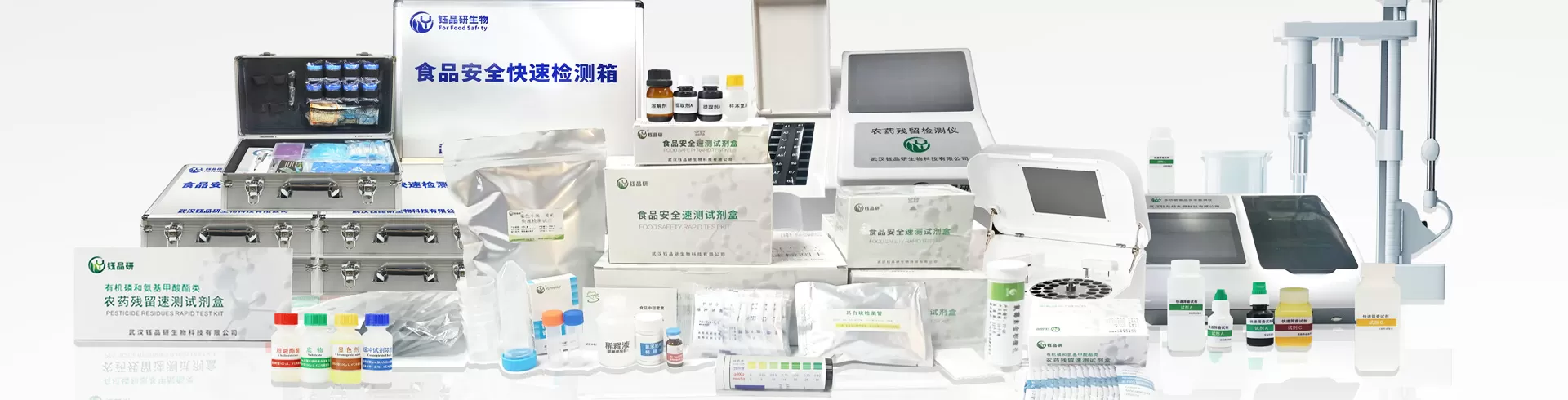
In the face of the problem of triazophos exceeding the standard, scientific protection needs to start from two aspects: source control and detection and screening. On the one hand, consumers should give priority to buying agricultural products that have undergone safety testing through regular channels, and pay attention to retaining the test report; before eating, they can reduce surface residues by soaking and blanching. On the other hand, establishing a rapid detection mechanism is the key. The food safety rapid detection reagent produced by Wuhan Yupinyan Bio can help families, catering companies and regulatory authorities quickly screen whether the triazophos in ingredients exceeds the standard through simple operation and accurate results, providing a basis for timely disposal of risks. In addition, paying attention to the information on pesticide use released by the agricultural sector and avoiding purchasing agricultural products that are listed in the short term after application can also effectively reduce the risk of intake.