简体中文
简体中文 Shqip
Shqip لالعربية
 Polski
 رسی
رسی Deutsch
 Русский
 Français
 한국어
한국어 Nederlands
 Čeština
 Bahasa Melayu
 Português
 日本語
日本語 Svenska
 Kiswahili
 ไทย
ไทย Türkçe
 繁体中文
繁体中文 Українська
 Español
 Italiano
 हिन्दी
 Bahasa Indonesia
 Tiếng Việt
 Filipino
With the development of agricultural technology, pesticides have been widely used in rice planting to ensure yield, but as a common organophosphorus insecticide, the residue problem of triazophos has gradually attracted attention. When consumers are concerned about food safety, they often ask: Is there any harm in the excess of triazophos residues in rice? How should the safety boundary be defined in the process of grain processing and consumption?
The role and residue problem of triazophos in rice planting
Triazophos is mainly used to control pest pests such as rice leaf roll borer and rice planthopper. Rational use can effectively reduce pest losses. However, in actual planting, due to excessive spraying, improper application time or failure to observe the safety interval, etc., triazophos residues in rice may exceed the standard. These excessive residues not only affect the quality of food, but also may pose a threat to human health through subsequent processing and consumption.
Potential harms of excessive triazophos residues
From the perspective of acute toxicity, short-term intake of high-dose triazophos residues in rice may cause nausea, vomiting, dizziness, abdominal pain and other poisoning symptoms, and even affect the nervous system and digestive system functions in severe cases. Long-term low-dose exposure to triazophos residues may increase chronic health risks, such as increased metabolic burden on the liver and endocrine system disorders. Therefore, strict control of triazophos residues in rice is an important prerequisite for ensuring food security.
Discussion on the safety boundary of grain processing and edible
In the grain processing process, milling, screening and other processes can remove surface residues to a certain extent, but triazophos in deep tissues may be difficult to completely separate. Although pretreatment such as cooking can destroy some organophosphorus structures and reduce toxicity, it cannot ensure that the residue falls below the safety threshold. At present, our country has clear standards for pesticide residues in grain. For example, the "National Food Safety Standard, Maximum Residue Limits of Pesticides in Food" (GB 2763) strictly limits the amount of triazophos residues in rice. This standard provides an important reference for the safety boundary of grain processing and edible.
Wuhan Yupinyan Bio helps food safety accurate detection
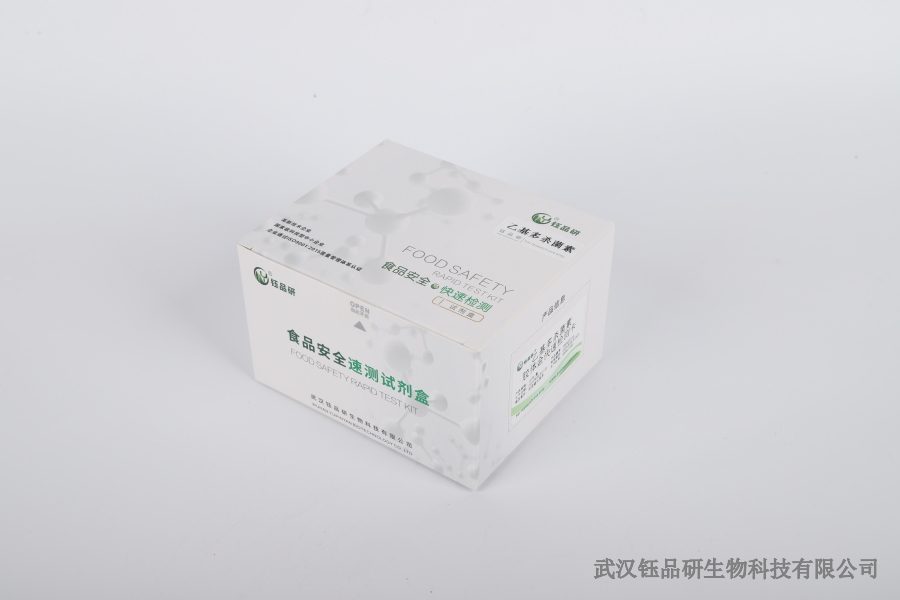
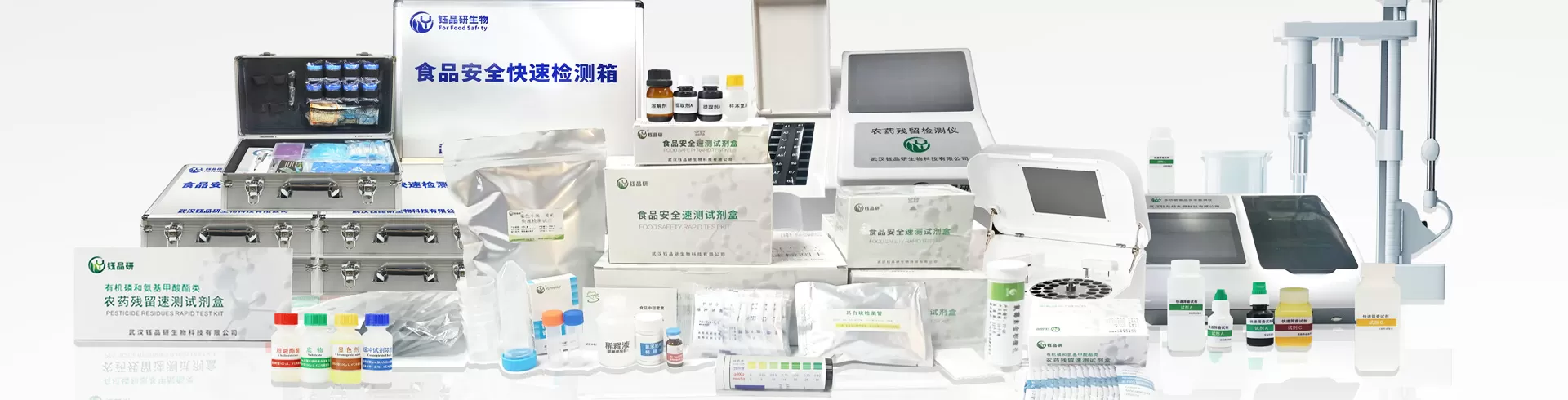
In the process of strictly controlling food safety, timely and accurate detection methods are crucial. Wuhan Yupinyan Bio focuses on the research and development of food safety rapid detection reagents. The related reagents produced by it can quickly screen for pesticide residues such as triazophos in rice, helping farmers, processing enterprises and regulatory authorities to quickly identify residue problems at the source or processing link, so as to take targeted measures to reduce risks. Through scientific testing and technical support, we are committed to providing security for the whole chain of food from planting to dining table, so that consumers can eat with confidence.