
 简体中文
简体中文 Shqip
Shqip لالعربية
 Polski
 رسی
رسی Deutsch
 Русский
 Français
 한국어
한국어 Nederlands
 Čeština
 Bahasa Melayu
 Português
 日本語
日本語 Svenska
 Kiswahili
 ไทย
ไทย Türkçe
 繁体中文
繁体中文 Українська
 Español
 Italiano
 हिन्दी
 Bahasa Indonesia
 Tiếng Việt
 Filipino
As an organophosphorus insecticide, triazophos is often used in vegetable planting to control insect pests such as cabbage caterpillars and aphids, which has a certain effect on improving vegetable yield. However, in the actual planting process, if it is used improperly or does not strictly follow the safety interval (that is, the interval between pesticide use and crop harvesting), it may lead to excessive residues in vegetables. Part of triazophos is metabolized slowly in plants, and the residual period can last for several days to several weeks, which further increases the possibility of vegetable residues.
Residue Risk Analysis of Leafy Vegetables
The edible part of leafy vegetables (such as spinach, lettuce, rape, etc.) is leaves, and the leaf surface area is large and directly exposed to the planting environment, and pesticide residues are relatively easy to accumulate. At the same time, leafy vegetables have a short growth cycle, and some farmers may shorten the safety interval for rapid pest control, and even use drugs near harvest, resulting in residue on the surface or inside of the leaves. The texture of the leaves is fresh and tender, and it is difficult to completely remove the attached pesticide residues when cleaning. If it is not fully treated, it may have a potential impact on human health after consumption.
Residue Risk Analysis of Carob Vegetables
The pods of carob vegetables (such as cowpeas, green beans, etc.) are the main edible parts, and triazophos are often used during planting due to pests such as thrips and pod borers. The epidermis of carob pods is thin, and some pesticides may penetrate into the internal tissues, increasing the difficulty of residue detection. In addition, beans are mostly planted in the open air, and rainwater initialize may reduce the natural degradation efficiency of pesticides, especially when frequent use is used during the high incidence of pests, the risk of residue is further enhanced. If the safety interval is not reached before harvesting, or the residue exceeds the national standard, it may bring health risks after eating.
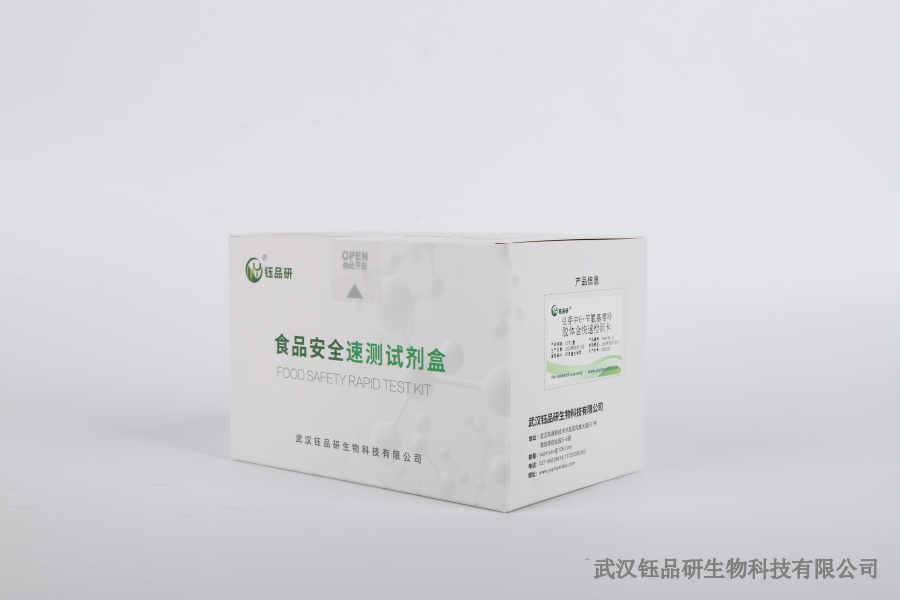
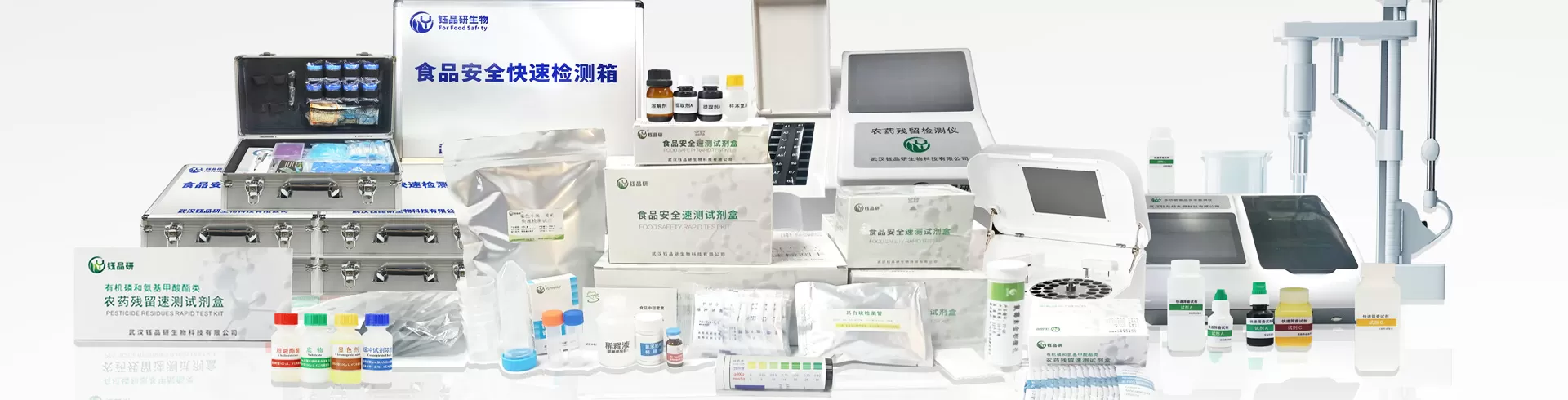
timely detection of triazophos residues in vegetables is a key link to ensure food safety. Wuhan Yupinyan Bio focuses on the research and development of food safety rapid detection reagents. Our detection products can quickly screen for triazophos residues in vegetables through simple operation, providing reliable safety protection for farmers, market regulators and consumers, and helping to control the quality of vegetables from the source.


