简体中文
简体中文 Shqip
Shqip لالعربية
 Polski
 رسی
رسی Deutsch
 Русский
 Français
 한국어
한국어 Nederlands
 Čeština
 Bahasa Melayu
 Português
 日本語
日本語 Svenska
 Kiswahili
 ไทย
ไทย Türkçe
 繁体中文
繁体中文 Українська
 Español
 Italiano
 हिन्दी
 Bahasa Indonesia
 Tiếng Việt
 Filipino
As a commonly used organophosphorus insecticide, triazophos is widely used in agricultural production to control lepidoptera pests on litchi, citrus and other fruits. With the popularization of planting technology, the frequency of its use has gradually increased, and consumers' attention to fruit safety has also increased. Therefore, whether triazophos will remain in the fruit has become the focus of attention.
the use and residue of triazophos in fruit planting
triazophos mainly plays an insecticidal role by inhibiting the activity of acetylcholinesterase in pests, and has a good control effect on a variety of pests on litchi, citrus and other crops. However, if the use of pesticides is not strictly followed during use, such as excessive use, picking without reaching the safe interval after application, etc., triazophos residues in fruits may exceed the standard. Especially in the cultivation of some small farmers, if the amount and time of pesticide use are not strictly controlled, the risk of residue will further increase.
the detection of triazophos residues in fruits such as lychee and citrus
the detection of triazophos residues in fruits, the key is to ensure the accuracy and efficiency of the detection results. First, sample pretreatment is the basic link of detection, and it is necessary to choose the appropriate extraction solvent and purification method according to the characteristics of the fruit (such as lychee, citrus and other juicy fruits) to reduce matrix interference as much as possible. Secondly, the selection of detection methods needs to take into account sensitivity and specificity. Currently, commonly used detection methods include gas chromatography, liquid chromatography-tandem mass spectrometry, etc., but these methods usually require high equipment and operation, and the detection cycle is long.
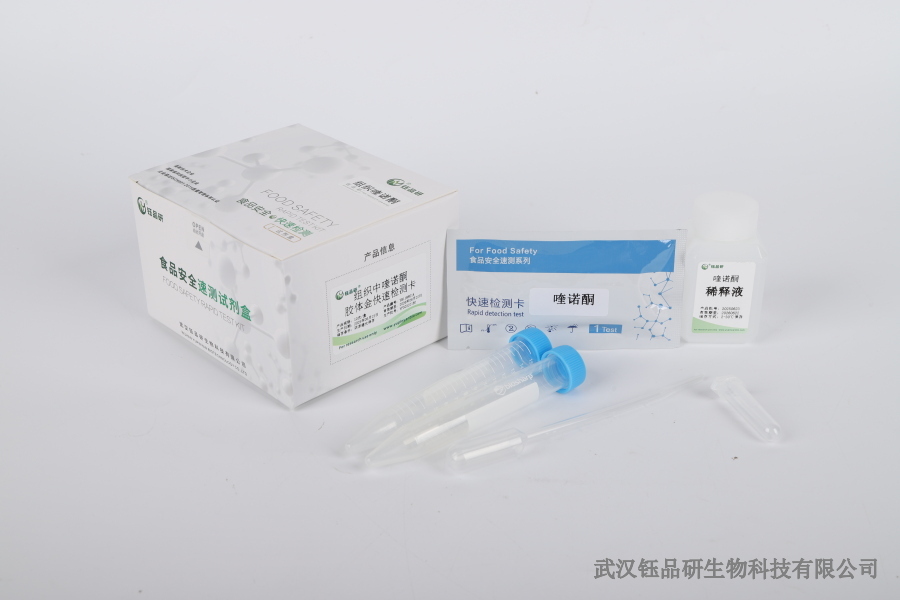
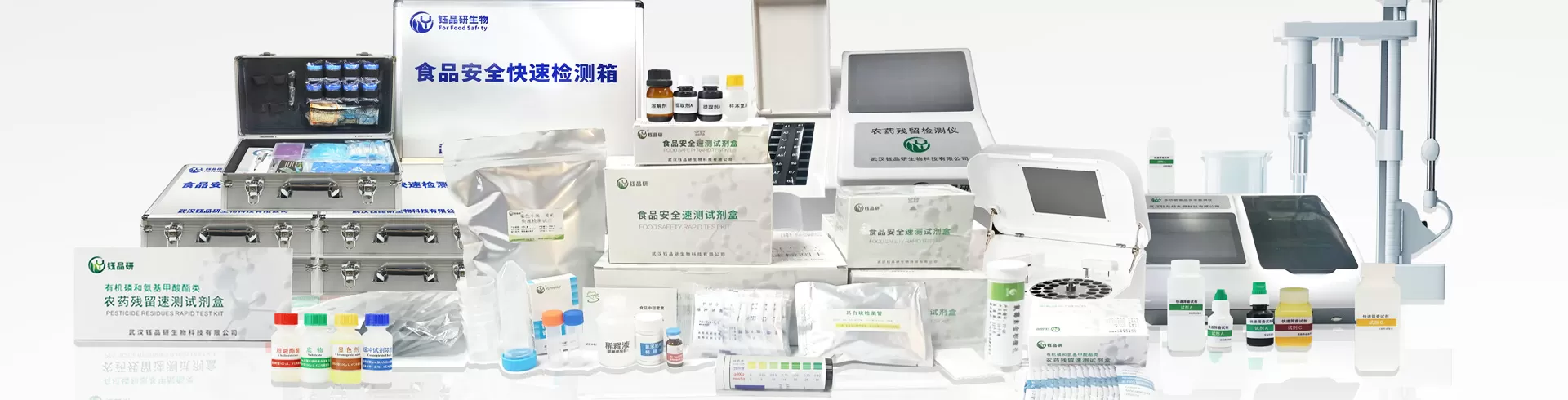
Wuhan Yupinyan Bio, as an enterprise focusing on the field of rapid detection of food safety, has developed a rapid detection reagent that can effectively solve this problem. By optimizing the reagent formula and detection process, this type of reagent can complete the preliminary screening of triazophos residues in fruit samples in a short time, helping fruit farmers, market regulators and enterprises to quickly judge the product safety status, and providing a basis for subsequent decision-making.
In addition, in actual testing, it is also necessary to pay attention to the differences in the absorption characteristics of triazophos by different fruit varieties. For example, the peel of lychee is thinner, the pulp is easily contaminated, and the residue distribution of citrus fruits may be more complex due to different epidermal structures and storage conditions. These characteristics determine that the detection strategy needs to be adjusted for the morphology and composition of specific fruits to ensure that the residue amount is accurately quantified.