
 简体中文
简体中文 Shqip
Shqip لالعربية
 Polski
 رسی
رسی Deutsch
 Русский
 Français
 한국어
한국어 Nederlands
 Čeština
 Bahasa Melayu
 Português
 日本語
日本語 Svenska
 Kiswahili
 ไทย
ไทย Türkçe
 繁体中文
繁体中文 Українська
 Español
 Italiano
 हिन्दी
 Bahasa Indonesia
 Tiếng Việt
 Filipino
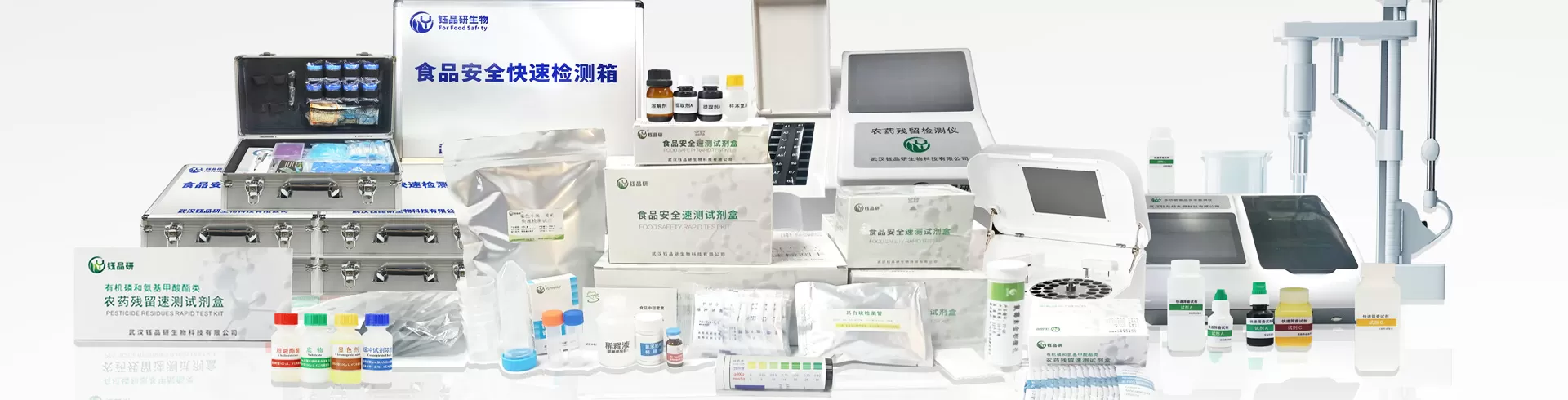
Infant cereal raw materials are the core components of infant food, and their safety and quality are directly related to the healthy growth of infants and young children. However, such raw materials may face the risk of pollution from heavy metal cadmium and mycotoxin aflatoxin B1 during planting and storage, both of which are "invisible killers" of infant food safety. Therefore, establishing a scientific dual screening strategy is essential to ensure the safety of infant cereal raw materials.
safety risks of infant cereal raw materials: the harm of cadmium and aflatoxin B1
Cadmium is a highly toxic heavy metal, and infants and young children are more sensitive to it. Long-term intake may lead to chronic cadmium poisoning, damage kidney function and affect bone development, especially the nervous system and hematopoietic system of infants and young children pose a potential threat. Aflatoxin B1 is a strong carcinogen produced by fungi such as Aspergillus flavus, which is resistant to high temperature and difficult to decompose. Even a small amount of intake may increase the risk of cancer in infants and young children, and is often associated with mildew pollution of grain raw materials such as corn and rice. In actual production, these two pollutants may often exist in grain raw materials at the same time, and a single test is difficult to fully cover the risk. It is urgent to achieve more accurate prevention and control through dual screening.
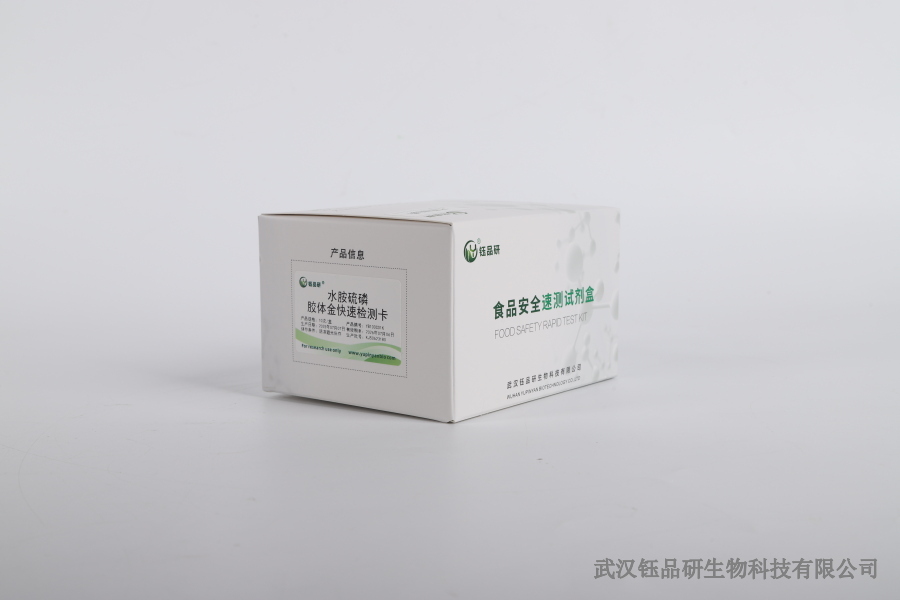
dual screening strategy: from a single detection to an upgrade of comprehensive prevention and control
In traditional testing, the pollution screening of grain raw materials often focuses on a single pollutant, which is difficult to meet the high safety requirements of infant food raw materials. By simultaneously detecting cadmium and aflatoxin B1, the dual screening strategy can more comprehensively identify the risk of raw materials and avoid potential safety hazards caused by missed inspections. This strategy not only covers different types of pollution sources (heavy metals and mycotoxins), but also combines factors such as the storage environment and processing technology of raw materials to form a full-chain threat and risk assessment from source to end point. For detection technology, rapid detection methods have become a key support. With the advantages of simple operation and fast results, it can be screened in real time at the production site or in the circulation link, providing a basis for enterprises to adjust purchasing or production decisions in a timely manner.
rapid detection solution of Wuhan Yupinyan Bio: accurate screening, efficient escort
As an enterprise focusing on the research and development of rapid detection reagents for food safety, we (Wuhan Yupinyan Bio) know the importance of infant food raw material safety. To this end, we have developed a supporting rapid detection reagent for cadmium and aflatoxin B1 in infant cereal raw materials, which can be screened for dual pollutants in a short time after simple sample pretreatment. These reagents use advanced immunoassay technology, with high specificity and sensitivity, which can accurately identify trace contaminants, while avoiding false positive interference and ensuring the reliability of test results. Through our rapid detection reagents, enterprises can quickly lock in risky raw materials in the production process and stop losses in time; regulatory authorities can also efficiently screen in random inspections to ensure the safety bottom line of the infant food market.
infant food safety is no small matter, strict screening of grain raw materials is a key step in building a strong food safety defense line. Wuhan Yupinyan Bio will continue to optimize rapid detection technology, and help the industry realize the normalization of dual screening with more accurate and efficient products, escorting the healthy growth of every infant and young child.


