简体中文
简体中文 Shqip
Shqip لالعربية
 Polski
 رسی
رسی Deutsch
 Русский
 Français
 한국어
한국어 Nederlands
 Čeština
 Bahasa Melayu
 Português
 日本語
日本語 Svenska
 Kiswahili
 ไทย
ไทย Türkçe
 繁体中文
繁体中文 Українська
 Español
 Italiano
 हिन्दी
 Bahasa Indonesia
 Tiếng Việt
 Filipino
Rice is one of the main food crops in our country, and its quality and safety are directly related to food safety and public health. In recent years, triazophos residues in rice have been found to exceed the standard in some areas, which has attracted widespread attention. Triazophos is an organophosphorus insecticide. Excessive use or excessive residues will cause potential harm to the human nervous system and digestive system. Therefore, it is necessary to pay attention to the problem of excessive standards and take timely measures to reduce residues.
Common Causes and Effects of Excessive Triazophos in Rice
Excessive triazophos in rice mainly stems from improper use of pesticides in planting, such as excessive application dose, too short interval between application time and harvest period, resulting in insufficient degradation of pesticide residues; improper control of environmental temperature and humidity during storage may also accelerate the accumulation of pesticide residues. If the rice exceeds the standard is directly eaten or processed, the harmful substances that may remain may enter the human body through the food chain. Long-term ingestion poses health risks, and it will also affect the market value and circulation safety of agricultural products.
scientific residue reduction methods in the storage process
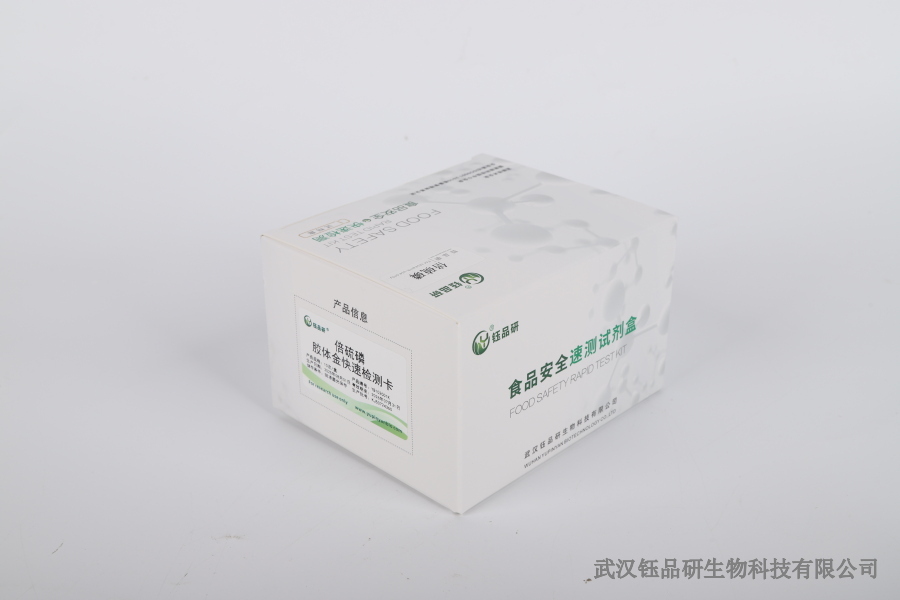
storage is one of the key links to reduce triazophos residues in rice. First, it is necessary to strictly control the temperature and humidity of the storage environment, keep the warehouse dry and ventilated, and avoid chemical reactions or microbial growth of pesticide residues caused by humid environments. It is recommended to control the moisture content of rice below 13%, and maintain the storage temperature at about 20 ° C, which can effectively slow down the decomposition rate of pesticide residues. Secondly, avoid the mixing of rice with chemicals such as pesticides and fertilizers to prevent cross-contamination and lead to residue superposition. In addition, regular sampling of stored rice is carried out, and the content of triazophos is quickly screened through the food safety rapid detection reagent developed by Wuhan Yupinyan Bio. Residue problems are found in time and treatment measures are taken to ensure the safety during storage.
Residue reduction treatment strategy in the processing process
Rice processing can further reduce triazophos residues through physical treatment and technical optimization. In the screening and impurity removal stage, equipment such as specific gravity screening machine and color sorter are used to remove impurities and damaged particles attached to the surface to reduce the adhesion area of pesticide residues. Washing process is a commonly used means of residue reduction. Rinsing with water can effectively remove 30% -50% of water-soluble pesticide residues on the surface of rice, but attention should be paid to controlling water consumption and rinsing time to avoid water waste. In modern rice milling technology, the adjustment of milling pressure and speed can destroy the epidermal structure of rice, making it easier for residual pesticides to migrate from the inside to the surface, which is convenient for subsequent treatment. After processing, rapid detection reagents need to be used again to verify the residue level to ensure that food safety standards are met. Wuhan Yupinyan's detection reagents are easy to operate and take a short time to detect, which can provide timely quality feedback for processing enterprises.
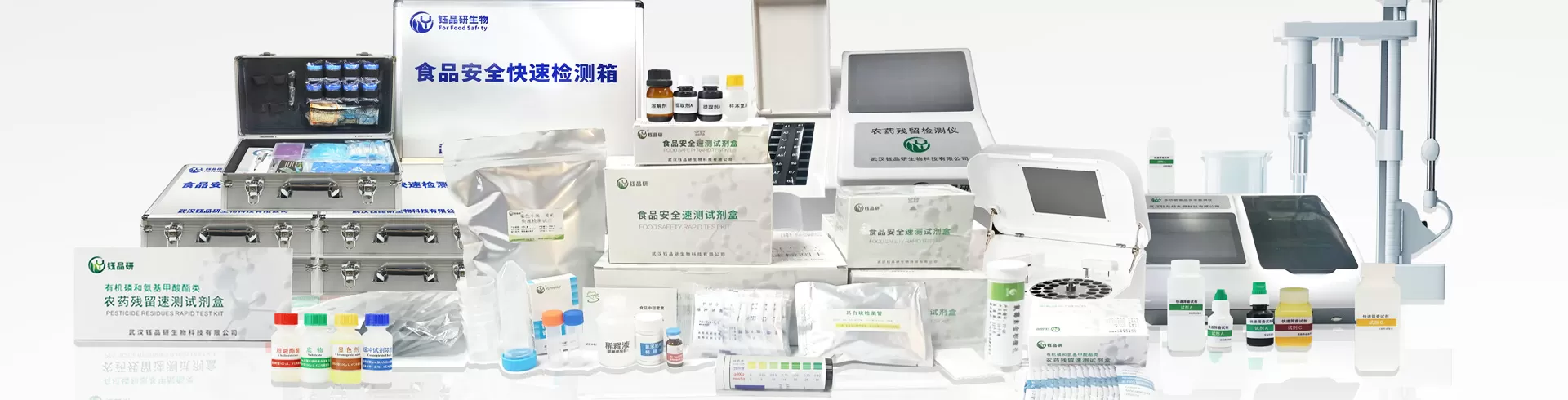
In short, rice triazophos exceeding the standard requires comprehensive measures from the source planting control, scientific storage management and fine processing, and at the same time, professional detection technology is used to ensure the effect of residue reduction. Wuhan Yupinyan Bio has always been committed to developing efficient food safety rapid detection reagents, providing reliable technical support for farmers and enterprises, and helping to ensure the whole chain of food safety from field to table.