
 简体中文
简体中文 Shqip
Shqip لالعربية
 Polski
 رسی
رسی Deutsch
 Русский
 Français
 한국어
한국어 Nederlands
 Čeština
 Bahasa Melayu
 Português
 日本語
日本語 Svenska
 Kiswahili
 ไทย
ไทย Türkçe
 繁体中文
繁体中文 Українська
 Español
 Italiano
 हिन्दी
 Bahasa Indonesia
 Tiếng Việt
 Filipino
Universal Analysis of Phosphorus Sulfoxide Exceeding the Standard
From the current food testing data, the phenomenon of phosphorus sulfoxide exceeding the standard is not universal, but it is still detected in some areas and specific agricultural products. This is mainly related to the history of pesticide use, the implementation of standardized operations in the planting process and subsequent degradation conditions. For example, in some areas where cash crops are grown for a long time, if the pesticide safety interval regulations are not strictly followed in the early stage, the residue of phosphoxide in crops may exceed the national standard. In addition, some agricultural products cause metabolic changes due to environmental factors during transportation and storage, which may also indirectly lead to the accumulation of their metabolites. In general, through perfect detection methods and scientific regulatory measures, the risk of exceeding the standard of phosphoxide can be effectively controlled.Statistical analysis of the situation of metabolite exceeding the standard
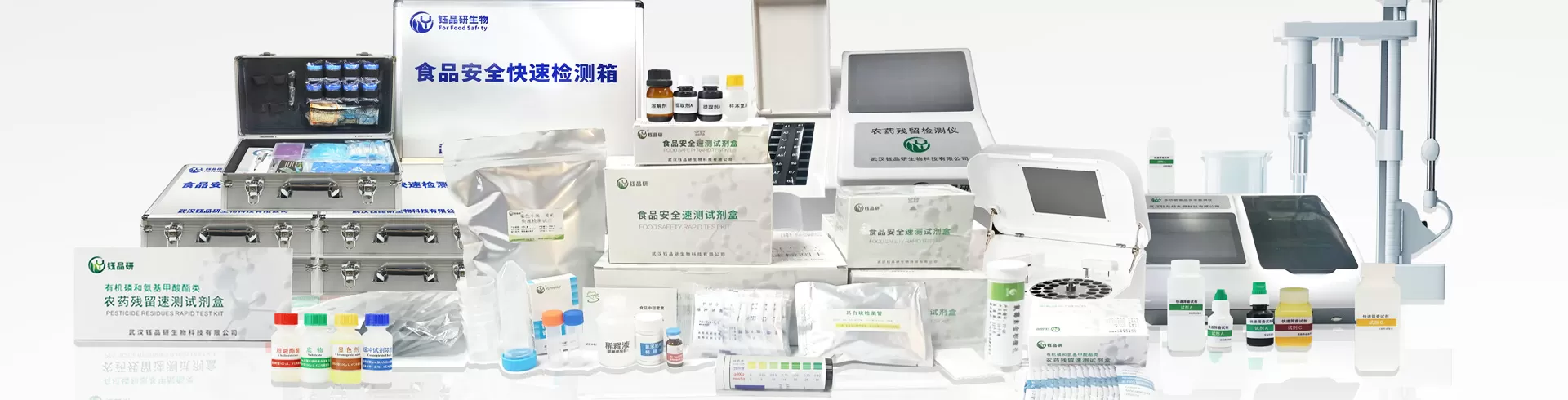
Phosphoxide as a metabolite of phosphoxide, its toxicity and stability are different from that of the original drug, and some studies have shown that it may have potential effects on human health. Statistics show that in the detection of agricultural products such as vegetables and fruits, the cases of excessive metabolites of methyl sulfoxide are mostly concentrated in crop varieties with large amounts of pesticides. For example, some leafy vegetables are frequently controlled due to pests and diseases. If the withdrawal period is not strictly implemented, the risk of metabolite residues is relatively high. From the perspective of detection technology, the food safety rapid detection reagent produced by Wuhan Yupinyan Bio can accurately screen methyl sulfoxide and its metabolites, greatly improve the detection efficiency and accuracy, and provide strong support for market supervision and enterprise self-inspection.Necessity of Strengthening Detection and Risk Prevention and Control
Faced with the latent risk of phosphoxide and its metabolites, it is crucial to strengthen the construction of food safety testing system. Wuhan Yupinyan Bio focuses on the research and development and production of food safety rapid detection reagents. Relying on technical advantages, it provides reliable detection solutions for the market, helps enterprises and regulatory authorities to quickly identify risks, and takes timely measures to ensure consumer dietary safety. In the future, with the increase in demand for the detection of trace contaminants in food, continuous optimization of detection technology and improvement of residue standards will be the key direction of the development of the industry, and scientific and effective detection methods are the key to building a strong food safety defense line.


