
 简体中文
简体中文 Shqip
Shqip لالعربية
 Polski
 رسی
رسی Deutsch
 Русский
 Français
 한국어
한국어 Nederlands
 Čeština
 Bahasa Melayu
 Português
 日本語
日本語 Svenska
 Kiswahili
 ไทย
ไทย Türkçe
 繁体中文
繁体中文 Українська
 Español
 Italiano
 हिन्दी
 Bahasa Indonesia
 Tiếng Việt
 Filipino
Triazophos is a broad-spectrum organophosphorus insecticide, which is widely used in the control of rice pests and diseases, and can effectively control pests such as rice leaf roll borer and two chemical borer. In the process of rice planting, after scientific and rational use of triazophos, it is necessary to pay attention to its residue in rice plants and grains to ensure that the harvested rice products meet food safety standards. Among them, the safety interval is a key indicator to measure whether the triazophos residue meets the standard, that is, the shortest time from the last application to rice harvest, and the residue during this period needs to be strictly controlled below the national standard limit.
factors affecting the residual period of triazophos in rice mainly include the application period, dose, environmental conditions and rice varieties. Generally speaking, after application at tillering stage and booting stage of rice, the residual period is relatively short due to strong plant growth, fast absorption and metabolism; while application from jointing stage to filling stage, plant growth slows down, metabolic capacity decreases, and residue may last longer. In addition, the environment with high application dose, low temperature or more rain will prolong the residual degradation time, and the difference in pesticide absorption and metabolic characteristics of different rice varieties will also affect the length of residual period. Therefore, the safe interval is not a fixed value, and it needs to be dynamically judged in combination with specific planting scenarios.
For rice growers, it is crucial to clarify the safe interval of triazophos. Referring to agricultural technical specifications, under normal circumstances, the safe interval of triazophos on rice is usually 7 to 15 days, but the specific value needs to be adjusted according to the number of applications, dosage forms (such as emulsifiable concentrate, microemulsions, etc.) and local climate conditions. For example, after low-toxicity dosage forms or single application, the residue degradation is faster, and the interval can be appropriately shortened; if multiple applications or high environmental humidity, the interval needs to be extended to more than 15 days. At the same time, it is recommended to confirm the residue through professional testing methods before harvesting to avoid excessive agricultural products due to insufficient intervals.
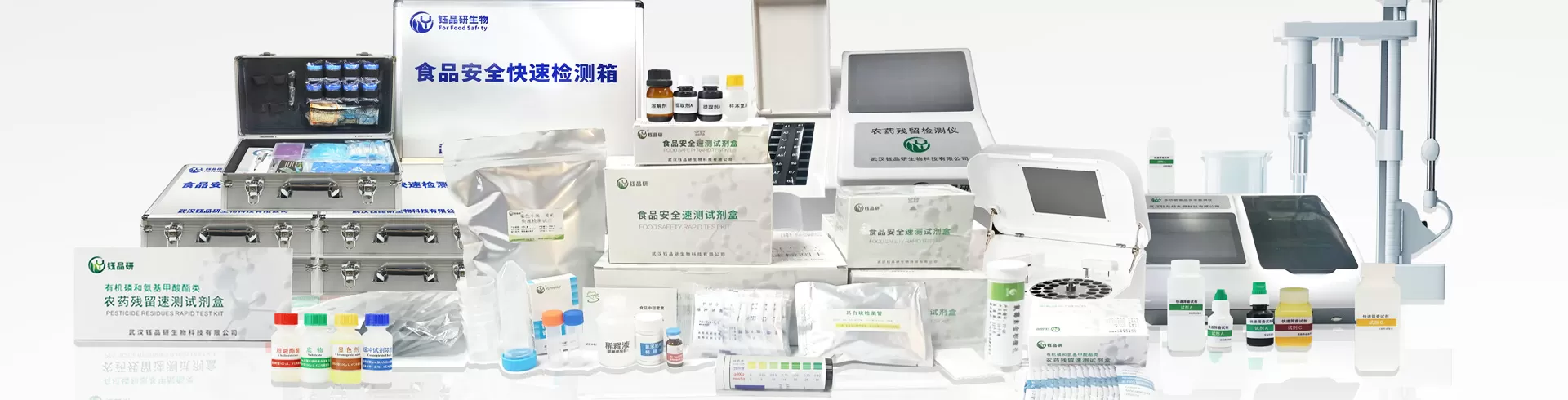
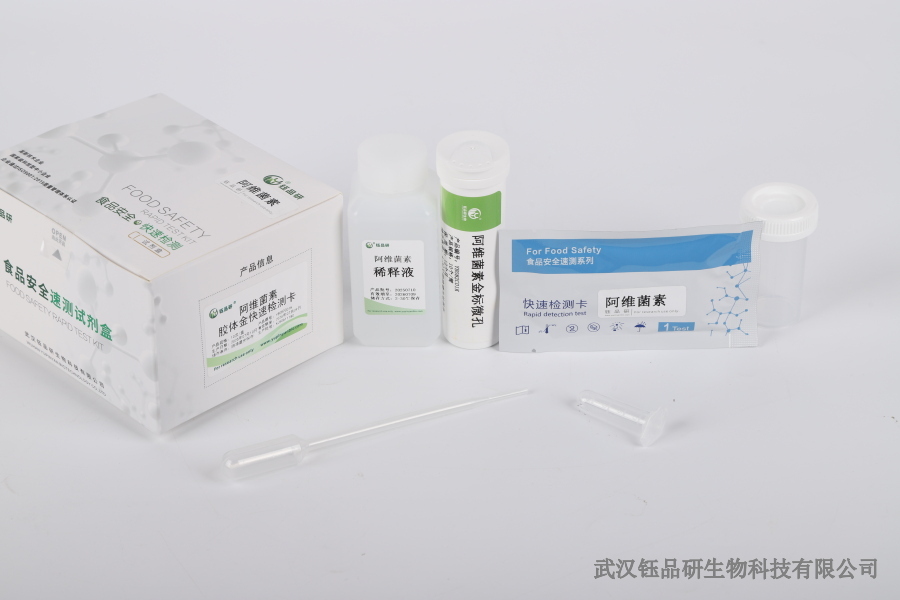
In order to ensure the safety of rice harvesting, timely and accurate detection of pesticide residues is a necessary link. As an enterprise focusing on the field of food safety rapid detection, Wuhan Yupinyan Bio produces rapid detection reagents that can accurately detect common pesticide residues such as triazophos. Such reagents are easy to operate, do not require complex instruments, and can issue test results in a short time to help growers, purchasers and regulatory authorities quickly determine whether rice meets safety standards, effectively avoid food risks, and ensure the quality and safety of agricultural products.
In short, the residue period of triazophos on rice needs to be comprehensively evaluated in combination with application methods, environmental conditions and test results, and the reasonable control of safety intervals complements scientific testing. Wuhan Yupinyan Bio's rapid detection reagents will continue to provide technical support for rice cultivation and agricultural product safety, and help build a food safety defense line from field to table.


