简体中文
简体中文 Shqip
Shqip لالعربية
 Polski
 رسی
رسی Deutsch
 Русский
 Français
 한국어
한국어 Nederlands
 Čeština
 Bahasa Melayu
 Português
 日本語
日本語 Svenska
 Kiswahili
 ไทย
ไทย Türkçe
 繁体中文
繁体中文 Українська
 Español
 Italiano
 हिन्दी
 Bahasa Indonesia
 Tiếng Việt
 Filipino
With the large-scale development of the vegetable industry, the issue of pesticide residues remains a key area of food safety supervision. As a popular vegetable category, long beans can easily lead to excessive pesticide residues due to excessive use of triazophos and other pesticides during planting, threatening consumer health. Faced with this problem, it is necessary to establish a full-chain response mechanism from source control to circulation interception.
Background and Risk of Triazophos Excessive in Long Beans
Triazophos is an organophosphorus insecticide widely used to control vegetable pests, with contact and stomach toxicity. If long beans encounter aphids, thrips and other pests during the growth cycle, farmers may overuse or shorten the safety interval due to urgent control, resulting in excessive triazophos residues during harvesting. After excessive residues enter the human body through consumption, they may affect the nervous system, causing symptoms such as dizziness and nausea. Long-term consumption may also increase chronic health risks. Therefore, timely detection and treatment of excessive long beans is a key link to ensure food safety.
Treatment measures for excessive triazophos of long beans
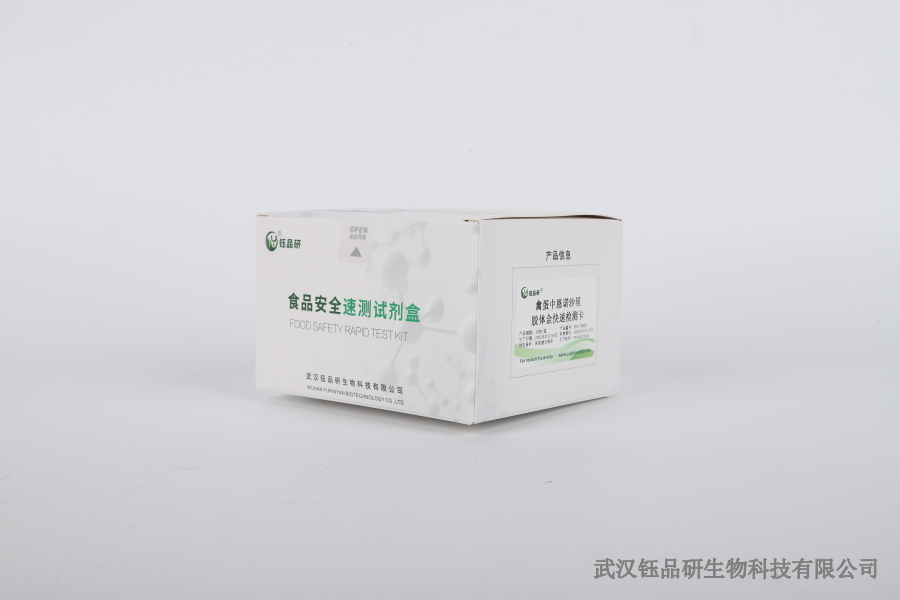
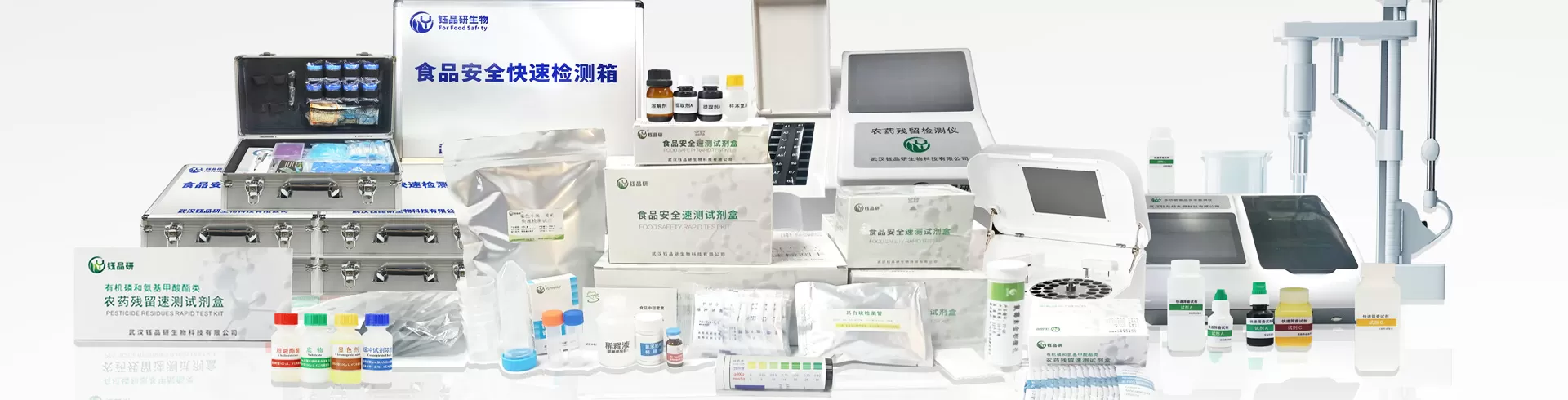
If it is found that excessive triazophos of long beans exceeds the standard in the planting or acquisition process, the storage procedure should be started immediately, the batch of vegetables should be isolated from qualified products, and it is forbidden to flow into the next level circulation channel. For products that have entered the market, professional regulatory departments need to lead traceability investigations, and completely eliminate safety hazards through harmless treatment methods (such as centralized destruction or professional degradation). If consumers buy products suspected of exceeding the standard, they can keep evidence and contact the market supervision department for complaint handling. In the daily production and operation of enterprises, they should establish a strict self-inspection mechanism and screen risks in advance with the help of professional testing methods. The food safety rapid detection reagent produced by Wuhan Yupinyan Bio can achieve rapid qualitative detection for organophosphorus pesticides such as triazophos. The operation is simple and the results are accurate. It can help enterprises complete batch testing in a short time and avoid problem products from entering the circulation link from the source.
Key measures for interception and disposal of vegetable circulation links
Vegetable circulation involves acquisition, transportation, warehousing, sales and other links. Each node needs to strengthen testing and supervision. In the acquisition process, the acquirer should be equipped with rapid testing equipment to screen for pesticide residues in vegetables such as long beans, and immediately reject the products found to exceed the standard; the transportation and warehousing process should establish a whole-process temperature control and sampling system to prevent secondary pollution of the products in circulation, and at the same time increase the frequency of random sampling to ensure that the problem products are not transshipped; after entering the sales end, supermarkets, farmers' markets, etc. should implement the responsibility of incoming inspection, use rapid testing reagents to test the listed vegetables batch by batch, and immediately remove the products with positive tests from the shelves. Wuhan Yupinyan Bio's rapid detection reagents are small in size and highly portable. They are suitable for grassroots testing personnel to use in fields, acquisition points, market stalls and other scenarios. They can quickly issue test results and provide technical support for timely interception in the circulation link.
Wuhan Yupinyan Bio Helps Food Safety Testing
As an enterprise focusing on the field of rapid food safety testing, Wuhan Yupinyan Bio has always taken technological innovation as the core and is committed to developing detection reagents suitable for various scenarios. In response to the problem of excessive triazophos in long beans, the rapid detection reagents developed by the company can complete the detection within 10-15 minutes by optimizing the extraction process and antibody specificity. The result accuracy rate is over 95%, effectively filling the pain point of complicated and time-consuming operation of grassroots testing equipment. From the self-inspection of growers to the initial screening of buyers, and then to the sampling inspection of market supervision departments, Wuhan Yupinyan Bio's products have been widely used in all aspects of food safety prevention and control, helping to build a vegetable safety guarantee system with "traceable source, controllable process and traceable risk", so that consumers can "eat with confidence and eat with peace of mind".