
 简体中文
简体中文 Shqip
Shqip لالعربية
 Polski
 رسی
رسی Deutsch
 Русский
 Français
 한국어
한국어 Nederlands
 Čeština
 Bahasa Melayu
 Português
 日本語
日本語 Svenska
 Kiswahili
 ไทย
ไทย Türkçe
 繁体中文
繁体中文 Українська
 Español
 Italiano
 हिन्दी
 Bahasa Indonesia
 Tiếng Việt
 Filipino
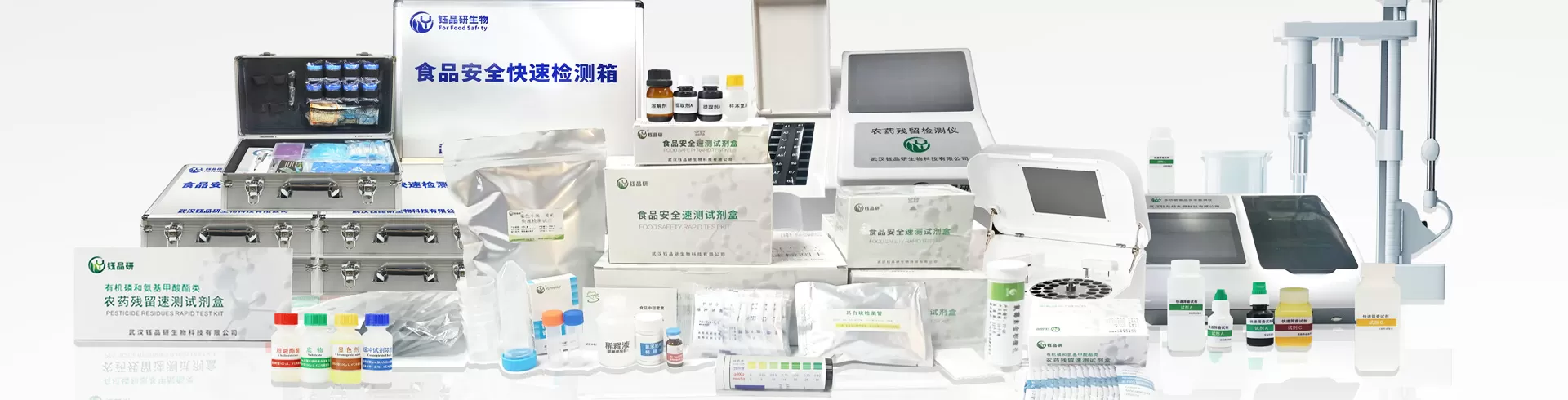
Grain is the foundation of people's lives, and its quality and safety are directly related to health. In the process of grain purchase, the detection of triazophos and other pesticide residues is a key step in controlling the quality of grain. Triazophos is a broad-spectrum organophosphorus insecticide, which is widely used in food crop cultivation. Although it can effectively control pests and diseases, excessive residues will pose a potential threat to human health. Therefore, how to quickly screen and accurately determine triazophos residues in grain during the purchase process has become an important issue to ensure food safety.
the necessity of triazophos residue detection in the grain purchase process
the grain purchase process is the first pass to ensure that qualified grain enters the market circulation. In this process, if the triazophos residue in the grain exceeds the standard, it will not only affect the food quality of the grain, but also cause damage to consumer health through subsequent processing and consumption. Timely detection and rejection of excessive food can cut off potential safety hazards from the source and provide a solid guarantee for the quality and safety of the entire grain supply chain.
the limitations of traditional detection methods in the acquisition process
traditional triazophos residue detection methods, such as gas chromatography, liquid chromatography, etc., can achieve high-precision quantification, but rely on professional laboratory equipment and technicians. The detection process is complicated and takes a long time (usually takes several hours or even longer). Grain acquisition sites often require quick filtering of a large number of samples, and traditional methods are difficult to meet the needs of "instant decision-making", which may lead to misreceipt or delay in processing of unqualified grains, increasing subsequent quality risks.
the combination of rapid screening and accurate determination technology
In response to the actual needs of the acquisition process, the industry has gradually formed a "rapid screening + accurate determination" detection system. Rapid screening uses portable testing equipment or immunochromatography test strips and other tools to complete preliminary judgments in a short time (usually 15-30 minutes) to quickly identify suspected excessive samples; for positive samples screened out, laboratory standard methods (such as high-performance liquid chromatography-mass spectrometry) are further used for precise quantitative analysis to ensure the accuracy of the test results. This combination mode not only improves the detection efficiency, but also ensures the reliability of the data, and becomes an effective means of quality control in the acquisition process.
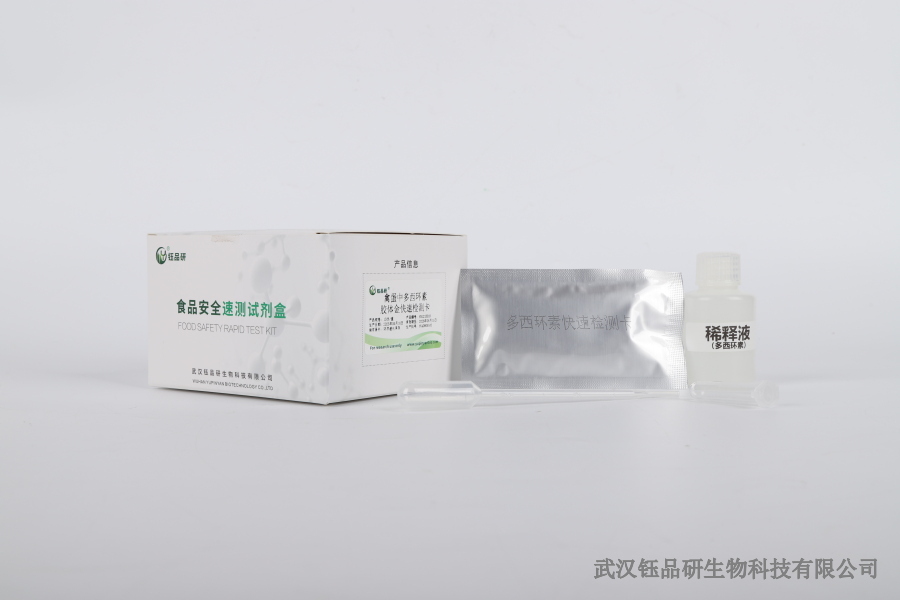
the solution of Wuhan Yupinyan Bio
In the field of food safety rapid detection, Wuhan Yupinyan Bio focuses on the development of efficient and reliable detection reagents. Its rapid detection reagent for triazophos residues adopts colloidal gold immunochromatography technology, which can be directly applied to the acquisition site. The reagent has the advantages of simple operation (no need for complex instruments), fast detection speed (results within 15 minutes), high sensitivity (detection limit can reach μg/kg level), etc., which can quickly screen out triazophos residues in grain. For suspicious samples screened out, they can be further accurately determined by laboratory methods to form a closed-loop solution of "rapid initial screening - accurate re-testing". Wuhan Yupinyan Bio's rapid detection reagents have become an important tool for many grain purchasing enterprises to ensure the quality of the source.
Triazophos residue detection in the grain purchasing process is a key link to ensure food safety. Through the combination of rapid screening and accurate determination technology, supplemented by the reliable detection reagents provided by Wuhan Yupinyan Bio, it can effectively improve the quality control ability of the acquisition process, block safety risks from the source, and build a strong first line of defense for food safety on the consumer side. In the future, with the continuous optimization of detection technology, the quality supervision of grain acquisition will be more intelligent and efficient, helping to build a food security system for the whole chain.


