
 简体中文
简体中文 Shqip
Shqip لالعربية
 Polski
 رسی
رسی Deutsch
 Русский
 Français
 한국어
한국어 Nederlands
 Čeština
 Bahasa Melayu
 Português
 日本語
日本語 Svenska
 Kiswahili
 ไทย
ไทย Türkçe
 繁体中文
繁体中文 Українська
 Español
 Italiano
 हिन्दी
 Bahasa Indonesia
 Tiếng Việt
 Filipino
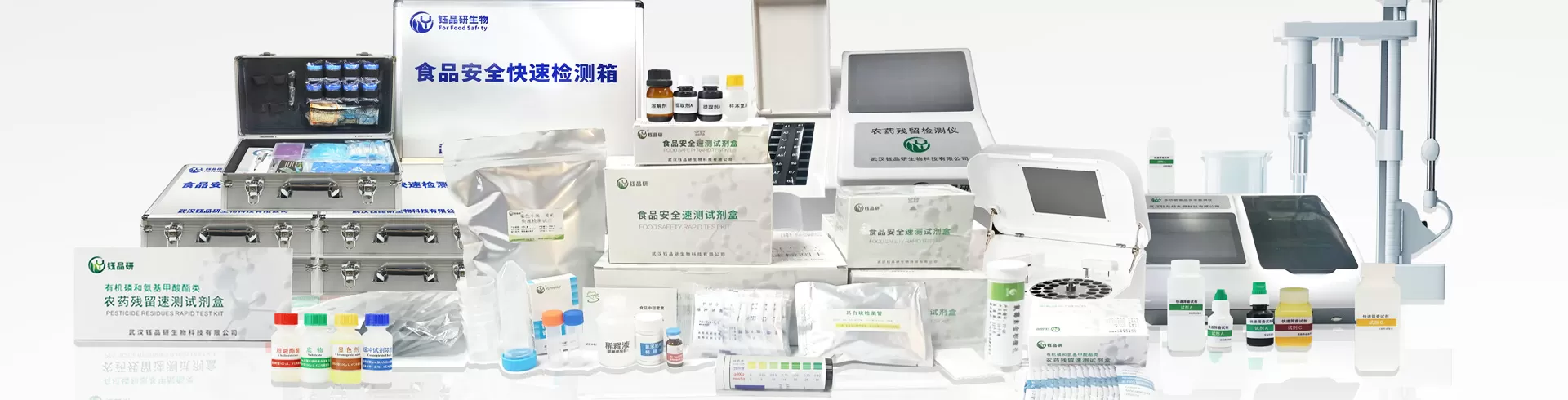
With the increasing attention to food safety, pesticide residues have become an important consideration for food quality and safety. Among many pesticides, triazophos, as a common organophosphorus insecticide, is often used in agricultural production to control pests and diseases. However, many people may ask: is triazophos counted as a pesticide residue? Where is it in the classification of pesticide residues? This article will analyze these issues, and combine the technical application of Wuhan Yupinyan Bio in the field of rapid food safety detection to discuss the attribution and determination criteria of triazophos.
is triazophos counted as a pesticide residue?
Pesticide residues refer to the general term for trace pesticide pathogens, toxic metabolites, degradants and impurities that remain in organisms, agricultural products (or food) and the environment after pesticide use. From the definition point of view, triazophos as a synthetic organophosphorus insecticide, after use in agricultural production, it will inevitably leave a certain amount of active ingredients on the surface or inside of crops (such as fruits, vegetables, etc.), so triazophos belongs to the category of pesticide residues. It should be noted that the "residue" of pesticide residues is not absolutely harmful, but emphasizes whether it exceeds the safety limit standard in food and whether it poses a latent risk to human health.
The attribution and determination of triazophos in the classification of pesticide residues
There are various ways to classify pesticide residues, including classification by chemical structure (such as organophosphorus, organochlorine, pyrethroids, etc.), classification by object (such as insecticides, fungicides, herbicides, etc.) or classification by scope of use. Triazophos is mainly classified as the residue of organophosphorus insecticides in the classification, because its chemical structure contains phosphorus, and the mechanism of action is to inhibit the activity of acetylcholinesterase in pests to achieve insecticidal effect. In the determination of pesticide residues, two standards need to be combined: one is the maximum residue limit (MRL) of triazophos in specific foods in relevant national standards (such as "National Food Safety Standard, Maximum Residue Limits of Pesticides in Food" GB 2763), and the other is to confirm whether the actual content of triazophos in food exceeds the limit through professional testing methods.
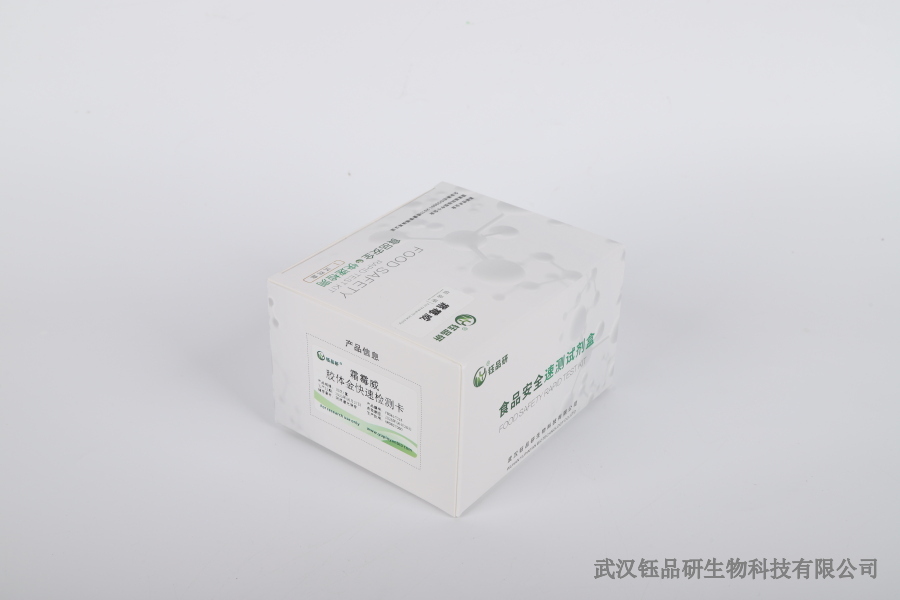
Accurate determination of triazophos residues requires efficient and accurate detection technology. As an enterprise focusing on the research and development of food safety rapid detection reagents, Wuhan Yupinyan Bio produces relevant detection reagents that can provide rapid and sensitive detection solutions for organophosphorus pesticides (including triazophos). By optimizing the detection principle and operation process, these reagents can complete the qualitative or quantitative analysis of triazophos residues in samples in a short time, helping food production enterprises and regulatory authorities to quickly screen for pesticide residue risks and ensure the quality and safety of agricultural products and processed foods.
To sum up, triazophos, as an organophosphorus insecticide, will produce residues after use, which belongs to a kind of pesticide residues. Its attribution determination needs to be combined with chemical structure classification and national standard limits, and the rapid detection reagent of Wuhan Yupinyan Bio provides reliable support for the effective detection of triazophos residues, helping the industry to control the safety bottom line of agricultural residues.


