简体中文
简体中文 Shqip
Shqip لالعربية
 Polski
 رسی
رسی Deutsch
 Русский
 Français
 한국어
한국어 Nederlands
 Čeština
 Bahasa Melayu
 Português
 日本語
日本語 Svenska
 Kiswahili
 ไทย
ไทย Türkçe
 繁体中文
繁体中文 Українська
 Español
 Italiano
 हिन्दी
 Bahasa Indonesia
 Tiếng Việt
 Filipino
Recently, bananas in some areas of Henan Province have been found to exceed the standard of imidacloprid, which has aroused great public concern about the safety of fruit pesticides. As a widely used insecticide, imidacloprid may have potential effects on the human nervous system if ingested for a long time. Therefore, when consumers buy fruits, how to quickly identify whether there is a risk of pesticides becomes the key.
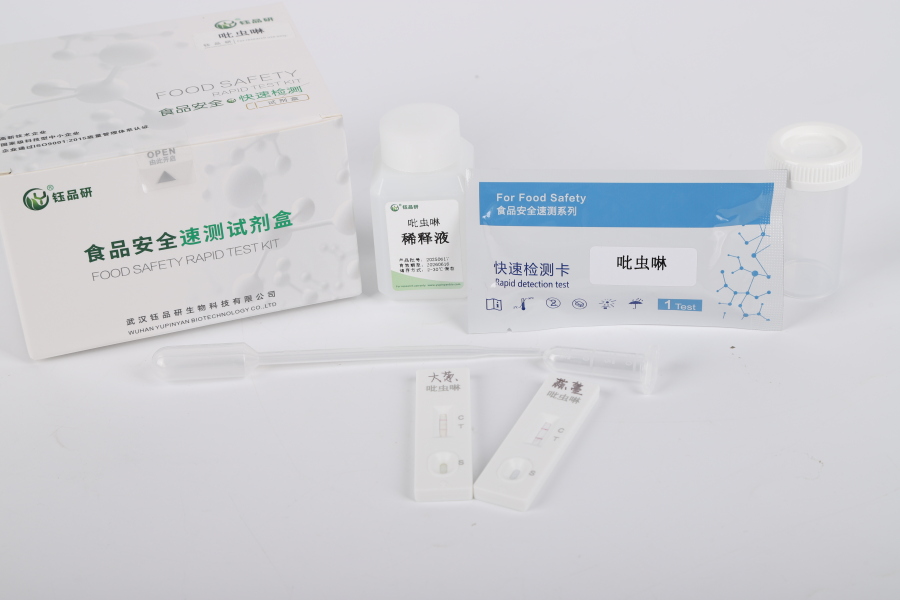
Faced with such problems, traditional professional testing equipment is complicated to operate and takes a long time to meet the daily testing needs of families. As a new type of rapid detection tool, the colloidal gold detection card provides consumers with a convenient solution. This type of test card is based on the principle of immunochromatography, and it only takes a few simple steps to complete the detection: take a small amount of fruit surface juice or wipe the sample, add it to the reaction hole of the test card and wait for a few minutes. By observing the color development results of the test strip, you can preliminarily determine whether there is a target pesticide residue exceeding the standard.
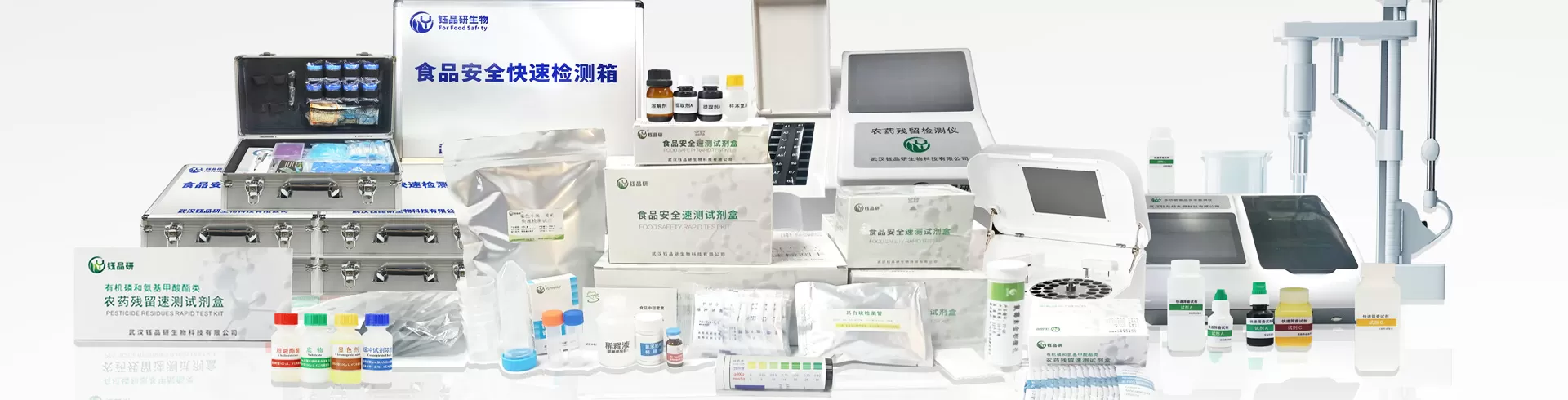
Trustworthy is that Wuhan Yupinyan Bio focuses on the research and development of food safety rapid detection reagents. The colloidal gold detection cards and other products it produces have become reliable tools for screening pesticide residues in families and small places due to their accurate detection effects and stable performance. Whether it is bananas, vegetables or other agricultural products, the use of this type of detection reagent can help consumers quickly identify safety hazards at home and avoid substandard food from entering the table.
Food safety is related to health, and it is particularly important to choose Through rapid detection reagents such as colloidal gold detection cards, consumers can take the initiative to grasp the quality and safety of food and make their diet more secure.